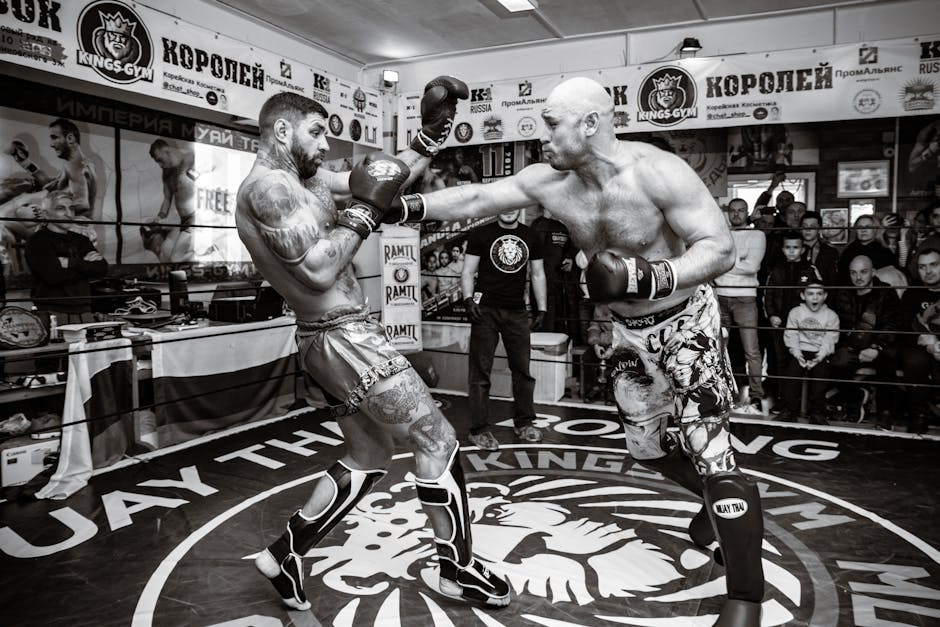
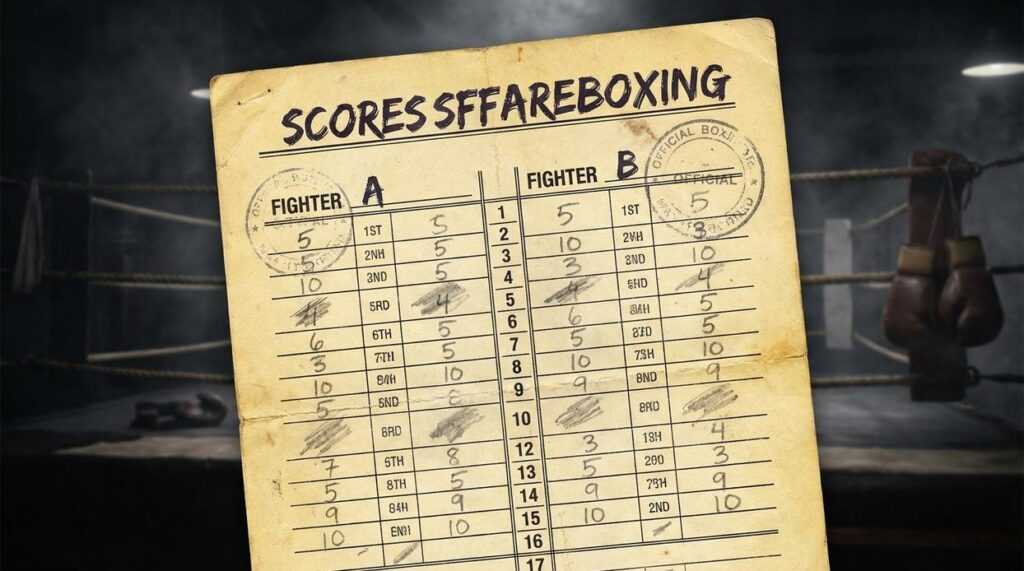
I’ve scored thousands of boxing rounds using the same system professional judges use.
You’re probably here because you’ve watched a fight and thought the decision made no sense. You saw one fighter dominate but the judges gave it to the other guy. It’s frustrating.
Here’s the thing: most fans don’t know how judges actually score fights. They go by feel or who landed the flashiest punch. But there’s a specific system at work.
The 10-Point Must System is what decides every professional boxing match. It’s not complicated but it has rules most people never learn.
I’ve been breaking down fights at sffareboxing for years. I watch the same things judges watch. I score the same way they score. That’s how I know when a decision is controversial and when fans just missed what the judges saw.
This guide will teach you how to score a fight the right way. You’ll learn what judges look for in each round and how to compare your scorecard to the official results.
No more confusion about split decisions. No more wondering why your favorite fighter lost.
Just a clear framework you can use the next time you watch a fight.
The Foundation: Understanding the 10-Point Must System
You know how everyone argues about who won a boxing match?
There’s actually a system for that. It’s called the 10-Point Must System and it’s been around longer than your grandpa’s favorite excuse for missing family dinners.
Here’s how it works.
The fighter who wins a round gets 10 points. The loser gets 9 or fewer. Simple enough that even the guy yelling at his TV could understand it (though he probably still won’t agree with the judges).
Most rounds end 10-9. That’s your bread and butter score. One fighter clearly won but didn’t turn the other guy into a highlight reel. He landed more punches, controlled the ring, maybe made his opponent look confused. Nothing crazy.
But then you get the 10-8 rounds.
This is where things get spicy. A fighter either dominates the entire round or puts his opponent on the canvas. And let me be clear: if you get knocked down, you’re almost guaranteed to lose that round 10-8. No participation trophies here.
(Pro tip: When checking results Sffareboxing sportsfanfare, pay attention to which rounds had knockdowns. They swing fights.)
Now, 10-7 rounds? Those are rarer than a quiet conversation at a sports bar during fight night. We’re talking two or more knockdowns or complete destruction. The kind of round where you wonder if the ref should’ve stopped it.
Oh, and 10-10 rounds exist too. Technically. Judges can score a round even if they really can’t tell who won.
But here’s the funny part. Judging commissions hate these scores sffareboxing so much they basically beg judges not to use them. They want a winner every single round, even if it means splitting hairs thinner than a flyweight’s chances against a heavyweight.
The Four Pillars of Judging: What Judges Actually Look For
You watch a fight and think your guy won.
The judges see it differently. You’re confused. Maybe even angry.
Here’s what most fans don’t get. Judges aren’t scoring what looks impressive. They’re scoring four specific things.
Some people say judging is completely subjective and broken. That it’s all politics and corruption. And sure, bad decisions happen. I won’t pretend they don’t.
But most of the time? The problem isn’t the judges. It’s that fans don’t know what judges are actually looking for.
I’m going to break down the four pillars that sffareboxing judges use to score fights. Once you understand these, those “robbery” decisions start making a lot more sense. Understanding the intricacies of Sffareboxing not only enhances your appreciation for the scoring system but also sheds light on why certain fights are deemed controversial by fans and analysts alike. Understanding the intricacies of Sffareboxing not only enhances your appreciation for the scoring system but also sheds light on the often contentious nature of fight outcomes and the subjective interpretations that can lead to unexpected results.
Pillar 1: Clean and Effective Punching
This is what matters most.
Clean punches are shots that land flush on legal scoring areas. Not punches that hit gloves or arms. Not punches that graze the shoulder.
Quality beats quantity every time. One solid right hand that snaps your opponent’s head back scores more than ten arm punches.
If a fighter throws 100 jabs but only 20 land clean, those 20 count. The other 80 don’t.
Pillar 2: Effective Aggression
Walking forward isn’t aggression.
Effective aggression means you’re moving forward AND landing punches while doing it. You’re forcing your opponent to fight your fight.
A guy who marches into clean counters all night? That’s not effective. That’s just getting hit.
The fighter who cuts off the ring and makes their opponent work defensively while landing their own shots? That’s what judges want to see.
Pillar 3: Ring Generalship
Who’s controlling this fight?
This is about imposing your will. Are you dictating the pace? Making your opponent fight at your range? Controlling where the action happens?
Ring generalship shows up when one fighter looks comfortable and the other looks like they’re constantly reacting.
It’s the difference between fighting your fight and fighting someone else’s.
Pillar 4: Defense
Good defense isn’t passive.
Judges watch how well you make your opponent miss. Slipping punches. Rolling with shots. Using footwork to stay out of range.
But here’s the key part. The best defense leads to offense. You slip a jab and counter with a hook. You make them miss and make them pay.
That’s what separates good boxers from guys who just survive.
Now you know what judges see. Next time you watch a fight, score it using these four pillars. You might be surprised how often your card matches theirs.
Beyond the Scorecard: Why Controversies Happen
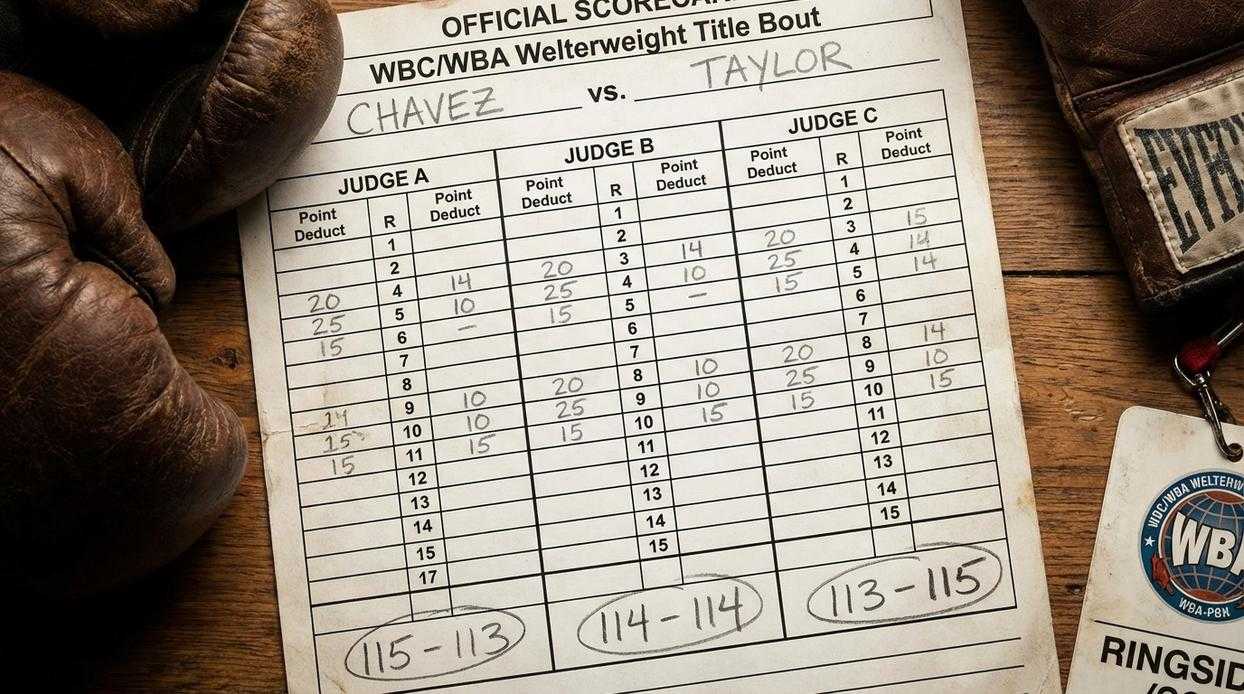
You watch a fight and think your guy won clearly.
Then the scores come in and you’re screaming at your TV.
I’ve been there. We all have.
But here’s what most fans don’t get. The judges aren’t always wrong. They’re just seeing something different than you are.
Aggression vs. Counter-Punching
This is where most scoring controversies start.
One fighter comes forward all night. He throws 80 punches a round. The crowd loves it. The other guy throws 30 but lands the cleaner shots.
Who wins that round?
Some people say volume matters. If you’re pressing the action and making the fight happen, you deserve credit for that. And honestly, there’s merit to that argument.
But I don’t see it that way.
Landing clean beats throwing wild. A counter-puncher who connects on 40% of his shots is doing more damage than a brawler landing 20%. The Sffareboxing criteria is clear on this. Effective aggression matters, not just aggression. In analyzing the effectiveness of different fighting styles, the Sffareboxing Statistics 2022 clearly illustrate how precision and timing can outperform sheer volume, emphasizing that a counter-puncher’s strategic hits are far more impactful than a brawler’s wild swings. In exploring the nuances of effective fighting styles, the Sffareboxing Statistics 2022 reveal that precision and strategy often outweigh sheer aggression, highlighting the importance of landing clean hits over simply throwing more punches.
Still, I get why judges struggle here. When you’re ringside and one guy is constantly moving forward, it looks like he’s controlling the fight.
The Impact of Big Moments
Here’s something that drives me crazy.
A fighter dominates for two minutes and 50 seconds. Then he gets caught with one big shot in the final 10 seconds.
Guess who wins the round?
That late punch changes everything. I’ve seen it happen over and over. The judge forgets the first two minutes because that one moment is what sticks in his mind.
Is that fair? Probably not. But it’s human nature. I tackle the specifics of this in Sffareboxing Results.
The most recent action carries more weight than it should. It’s recency bias playing out in real time.
The Human Element
Look, judges aren’t robots.
Each one sits at a different corner. One might have the ring post blocking his view during an exchange. Another sees it perfectly.
They’re interpreting what they see through their own experience and perspective. What looks like a clean body shot from one angle might look like it hit the arm from another.
This is why we get split decisions that make no sense. Three people watched the same fight and came away with three different stories.
Does that mean the system is broken? Some would say yes. But I think it just means we need to accept that judging will never be perfect.
How to Score a Fight Yourself: A Practical Guide
You ever watch a fight and completely disagree with the judges?
Yeah, me too.
Back in 2019 when I started scoring fights on my own, I realized something. The commentary team was messing with my head. I’d watch a round thinking one fighter won, then the announcers would go on about the other guy and suddenly I’d second guess myself.
So here’s what I do now.
Mute the commentary. Seriously. Turn it off or at least way down. You need to see what’s actually happening without someone telling you what to think.
Then score round by round. Write it down right after each round ends and don’t change it later (even if you want to).
I keep it simple with a notepad. Just jot down 10-9 for whoever won the round. Mark any knockdowns or point deductions for fouls.
For each round, I ask myself three things:
- Who landed the cleaner, more damaging shots?
- Who controlled the action?
- Who was more effective defensively?
That’s it. Those are your four pillars right there.
After the final bell, add up your scores. Don’t try to keep a running total in your head during the fight because you’ll lose track of what’s happening in front of you.
The sffareboxing statistics 2022 data shows that judges who stick to a consistent scoring method are far more accurate than those who try to score based on overall fight impression. In analyzing the latest data, it’s clear that the “Results Sffareboxing Sportsfanfare” reveal a striking correlation between consistent scoring methods and the accuracy of judges in the boxing ring. In analyzing the latest data, it’s clear that the “Results Sffareboxing Sportsfanfare” reveal a striking correlation between consistent judging methods and accurate fight assessments, underscoring the importance of reliable scoring systems in the sport.
Once you do this for a few fights, it becomes second nature.
Seeing the Fight Through a Judge’s Eyes
You came here to understand how boxing is really scored.
Now you know it’s more than counting punches. It’s about reading the fight through four clear criteria.
Controversial decisions will always spark debate. That’s part of boxing. But understanding what judges look for takes away some of the mystery.
Clean punching matters most. Then effective aggression. Ring generalship shows who controls the action. Defense keeps you from taking damage.
These four pillars give you a framework. You can watch any fight and score it like the pros do.
Here’s what I want you to do: Score the next big fight yourself. Write down your rounds. See how your card matches up with the official judges.
You might be surprised at what you notice when you’re paying attention to the right things.
sffareboxing breaks down every major fight so you can see the scoring in action. We show you what the judges saw and why it mattered.
The next time a decision gets announced, you’ll already know why.
 Ask Elviana Zelthorne how they got into boxing news and updates and you'll probably get a longer answer than you expected. The short version: Elviana started doing it, got genuinely hooked, and at some point realized they had accumulated enough hard-won knowledge that it would be a waste not to share it. So they started writing.
What makes Elviana worth reading is that they skips the obvious stuff. Nobody needs another surface-level take on Boxing News and Updates, Expert Commentary, Fighter Profiles and Statistics. What readers actually want is the nuance — the part that only becomes clear after you've made a few mistakes and figured out why. That's the territory Elviana operates in. The writing is direct, occasionally blunt, and always built around what's actually true rather than what sounds good in an article. They has little patience for filler, which means they's pieces tend to be denser with real information than the average post on the same subject.
Elviana doesn't write to impress anyone. They writes because they has things to say that they genuinely thinks people should hear. That motivation — basic as it sounds — produces something noticeably different from content written for clicks or word count. Readers pick up on it. The comments on Elviana's work tend to reflect that.
Ask Elviana Zelthorne how they got into boxing news and updates and you'll probably get a longer answer than you expected. The short version: Elviana started doing it, got genuinely hooked, and at some point realized they had accumulated enough hard-won knowledge that it would be a waste not to share it. So they started writing.
What makes Elviana worth reading is that they skips the obvious stuff. Nobody needs another surface-level take on Boxing News and Updates, Expert Commentary, Fighter Profiles and Statistics. What readers actually want is the nuance — the part that only becomes clear after you've made a few mistakes and figured out why. That's the territory Elviana operates in. The writing is direct, occasionally blunt, and always built around what's actually true rather than what sounds good in an article. They has little patience for filler, which means they's pieces tend to be denser with real information than the average post on the same subject.
Elviana doesn't write to impress anyone. They writes because they has things to say that they genuinely thinks people should hear. That motivation — basic as it sounds — produces something noticeably different from content written for clicks or word count. Readers pick up on it. The comments on Elviana's work tend to reflect that.