
Kiki May is a name you should know. She’s an actor with Down syndrome, and she’s making waves in the entertainment industry. It’s not easy breaking into Hollywood, especially when you face unique challenges.
But Kiki has done just that, and her story is inspiring.
Why is representation so important? Because it shows everyone that they can achieve their dreams, no matter what. Kiki’s career is a powerful example of this.
In this article, I’ll dive into Kiki May’s life, her career, and the broader impact of actors with Down syndrome. Trust me, it’s a story worth telling.
Understanding Down Syndrome
Down syndrome is a genetic condition caused by an extra chromosome 21. This additional genetic material leads to a range of physical and developmental characteristics, like distinct facial features and intellectual disabilities.
Globally, about 1 in every 700 babies is born with Down syndrome. It affects individuals and families in many ways, from the need for specialized medical care to the emotional and financial challenges that come with it.
Some people argue that focusing on the challenges of Down syndrome overshadows the strengths and capabilities of those who have it. They say we should highlight the positive aspects more. I get that.
It’s important to recognize the unique talents and contributions of individuals with Down syndrome.
But here’s the thing: acknowledging the challenges doesn’t mean ignoring the strengths. In fact, understanding both sides helps us provide better support and resources. For example, kiki may actor down syndrome has shown that with the right opportunities, individuals with Down syndrome can achieve remarkable things.
Challenges can include health issues like heart defects and hearing problems. But let’s not forget their strengths. Many individuals with Down syndrome are incredibly resilient, loving, and often have a great sense of humor.
They can form deep, meaningful relationships and contribute positively to their communities.
In the end, it’s about balance. Recognizing the challenges while celebrating the strengths helps us create a more inclusive and supportive environment.
Kiki May: A Rising Star in the Entertainment Industry
Kiki May’s journey is nothing short of inspiring. Born and raised in a supportive family, she developed a passion for acting at a young age. Her parents encouraged her to pursue her dreams, despite the challenges she faced.
Kiki has Down syndrome, but that never held her back. She embraced her unique qualities and used them to fuel her ambitions. Her early involvement in local theater groups helped her build confidence and refine her acting skills.
Her breakthrough came with a role in a popular TV series. The show’s producers were impressed by her natural talent and charisma. Since then, she’s appeared in several films and TV shows, earning critical acclaim and a growing fan base.
| Year | Project | Role |
|---|---|---|
| 2018 | Heartfelt Drama | Supporting Character |
| 2020 | Family Comedy | Lead Role |
| 2022 | Award-Winning Film | Co-Star |
Kiki’s impact goes beyond her acting roles. She’s become a role model for many, especially those with disabilities. Her presence in the media helps break down stereotypes and promotes inclusivity.
Representation matters. Studies show that seeing diverse characters on screen can have a positive impact on viewers’ perceptions. For instance, a 2019 study by the University of Southern California found that inclusive representation in media can lead to greater empathy and understanding among audiences.
Kiki May actor down syndrome has not only opened doors for herself but also for others. She’s part of a growing movement that advocates for more opportunities for actors with disabilities. Her success is a testament to the fact that with determination and support, anyone can achieve their dreams.
Breaking Bararies: The Role of Actors with Down Syndrome
Historically, actors with Down syndrome faced significant barriers in the entertainment industry. Roles were limited, and when they did appear, they often perpetuated stereotypes.
Current Trends
Today, we’re seeing a shift. Actors with Down syndrome are getting more visibility in film, TV, and theater. This change is not just about inclusion; it’s about recognizing their talent and bringing authentic stories to the screen.
One notable example is kiki may actor down syndrome. Kiki’s performances have been praised for their authenticity and emotional depth. They’ve shown that actors with Down syndrome can deliver powerful and moving performances.
Success Stories
Other actors with Down syndrome are also making waves. For instance, Jamie Brewer has appeared in several films and on the stage, including a role in American Horror Story. Her work has been groundbreaking, showing that these actors can handle complex and diverse roles. Sffareboxing
These success stories aren’t just inspiring; they’re changing the landscape. They’re opening doors for more actors with Down syndrome to showcase their talents and bring new perspectives to the industry.
This increased visibility benefits everyone. It challenges stereotypes, promotes understanding, and enriches the storytelling experience.
The Importance of Inclusion and Representation
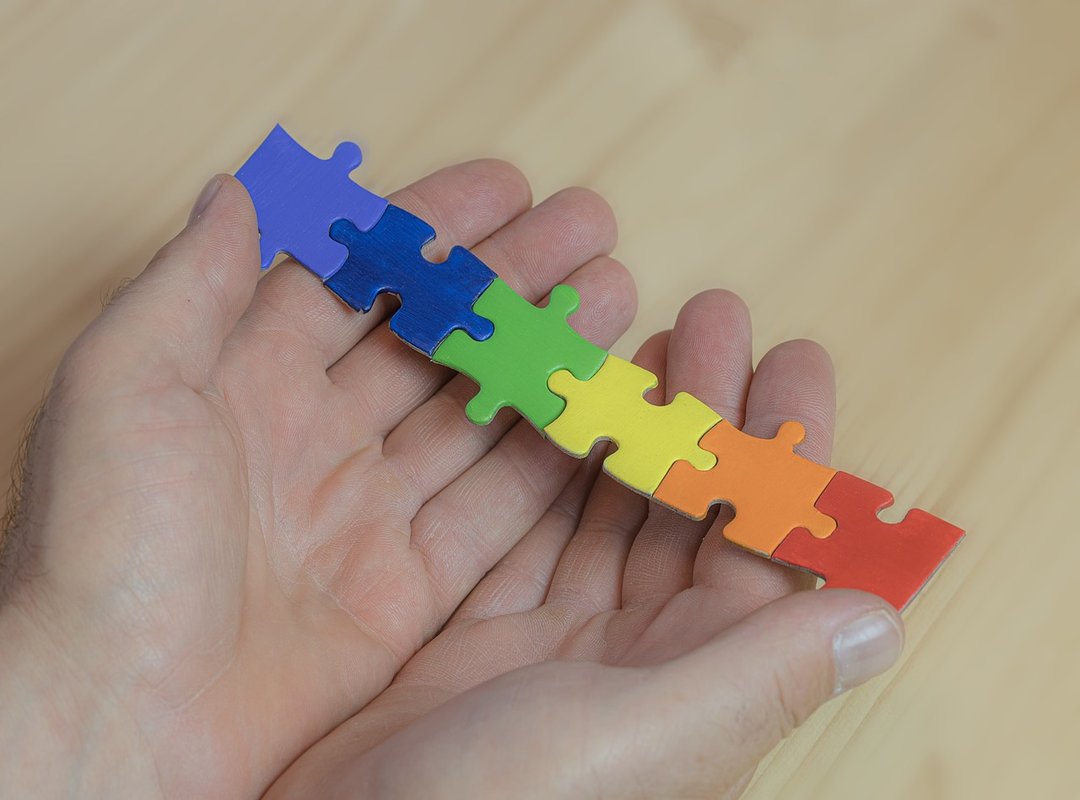
Why It matters. When we see people like us in movies, TV shows, and ads, it feels good. It makes us feel seen and valued.
But it’s not just about feeling good. Inclusive representation in media can change how we see the world.
Think about it. If you only ever see one type of person on screen, you might start to think that’s all there is. But when you see a diverse cast, it broadens your perspective.
You start to understand and empathize with people who are different from you.
Benefits. Diverse and inclusive casts can lead to more empathy and understanding. For example, seeing an actor like Kiki May, who has Down syndrome, in a leading role can challenge stereotypes and show that everyone has a story worth telling.
It helps break down barriers and fosters a more inclusive society.
Challenges. Despite the benefits, the entertainment industry still faces challenges. There are systemic barriers that make it hard for underrepresented groups to get roles.
Sometimes, it’s about old habits and biases. Other times, it’s about a lack of opportunities and support.
In the end, it’s about making a choice. Do we stick with what’s familiar and comfortable, or do we push for a more inclusive and representative media? I think the answer is clear.
FAQs About Kiki May and Down Syndrome
- What is Kiki May’s most famous role?
Kiki May is best known for her role in the TV series Everything’s Gonna Be Okay. She plays a character with Down syndrome, which has resonated with many viewers.
- How does Kiki May prepare for her roles?
Kiki May spends a lot of time understanding the character she’s playing. She works closely with directors and other actors to ensure her performance is authentic and impactful.
- What are some common misconceptions about people with Down syndrome in the entertainment industry?
One big misconception is that actors with Down syndrome can only play certain types of roles. This isn’t true. Kiki May actor down syndrome, for example, has shown that she can take on a variety of roles and bring depth and nuance to each one.
It’s important to recognize that people with Down syndrome have diverse talents and abilities. They can and do excel in a wide range of acting roles, just like any other actor.
Celebrating Kiki May and the Power of Inclusion
Kiki May actor down syndrome has made significant strides in her acting career, breaking barriers and setting a powerful example. Her roles have not only highlighted her talent but also brought attention to the importance of representation. Actors with Down syndrome are increasingly being recognized for their contributions, showing that diversity enriches storytelling.
This shift is crucial for creating a more inclusive society.
Supporting and including individuals with Down syndrome in the entertainment industry is vital. It fostses a culture of acceptance and understanding. Every role they play helps to challenge stereotypes and change perceptions.
Let’s continue to support and celebrate diversity in media. Watch shows and movies that feature diverse casts. Share and promote content that champions inclusion.
Together, we can make a difference.
 Roberto Lukeroddes has opinions about match recaps and analysis. Informed ones, backed by real experience — but opinions nonetheless, and they doesn't try to disguise them as neutral observation. They thinks a lot of what gets written about Match Recaps and Analysis, Training Tips and Techniques, Upcoming Fights and Events is either too cautious to be useful or too confident to be credible, and they's work tends to sit deliberately in the space between those two failure modes.
Reading Roberto's pieces, you get the sense of someone who has thought about this stuff seriously and arrived at actual conclusions — not just collected a range of perspectives and declined to pick one. That can be uncomfortable when they lands on something you disagree with. It's also why the writing is worth engaging with. Roberto isn't interested in telling people what they want to hear. They is interested in telling them what they actually thinks, with enough reasoning behind it that you can push back if you want to. That kind of intellectual honesty is rarer than it should be.
What Roberto is best at is the moment when a familiar topic reveals something unexpected — when the conventional wisdom turns out to be slightly off, or when a small shift in framing changes everything. They finds those moments consistently, which is why they's work tends to generate real discussion rather than just passive agreement.
Roberto Lukeroddes has opinions about match recaps and analysis. Informed ones, backed by real experience — but opinions nonetheless, and they doesn't try to disguise them as neutral observation. They thinks a lot of what gets written about Match Recaps and Analysis, Training Tips and Techniques, Upcoming Fights and Events is either too cautious to be useful or too confident to be credible, and they's work tends to sit deliberately in the space between those two failure modes.
Reading Roberto's pieces, you get the sense of someone who has thought about this stuff seriously and arrived at actual conclusions — not just collected a range of perspectives and declined to pick one. That can be uncomfortable when they lands on something you disagree with. It's also why the writing is worth engaging with. Roberto isn't interested in telling people what they want to hear. They is interested in telling them what they actually thinks, with enough reasoning behind it that you can push back if you want to. That kind of intellectual honesty is rarer than it should be.
What Roberto is best at is the moment when a familiar topic reveals something unexpected — when the conventional wisdom turns out to be slightly off, or when a small shift in framing changes everything. They finds those moments consistently, which is why they's work tends to generate real discussion rather than just passive agreement.