
You might be curious about what a Japanese romantic massage is. I get it. It’s not something you hear about every day.
This article will dive into the definitions, common practices, and japanese romantic massage reviews. We’ll explore what makes this experience unique.
The focus is on understanding the cultural influences and the emphasis on atmosphere and connection. Not just another massage, but something more intimate and meaningful.
I promise to give you a clear, informational guide. You’ll see how it differs from other types of massage therapy. Let’s demystify this together.
What Defines a Japanese Romantic Massage?
A Japanese romantic massage is all about creating a holistic experience. It focuses on sensory details and emotional connection, not deep tissue muscle work.
If you’re familiar with Shiatsu or Swedish massage, this is different. Those are more about pressure points and long strokes for relaxation. A Japanese romantic massage has a different goal.
The environment plays a critical role. Think soft lighting, calming music, and aromatherapy. Scents like cherry blossom or yuzu can really set the mood.
The space should be serene and uncluttered.
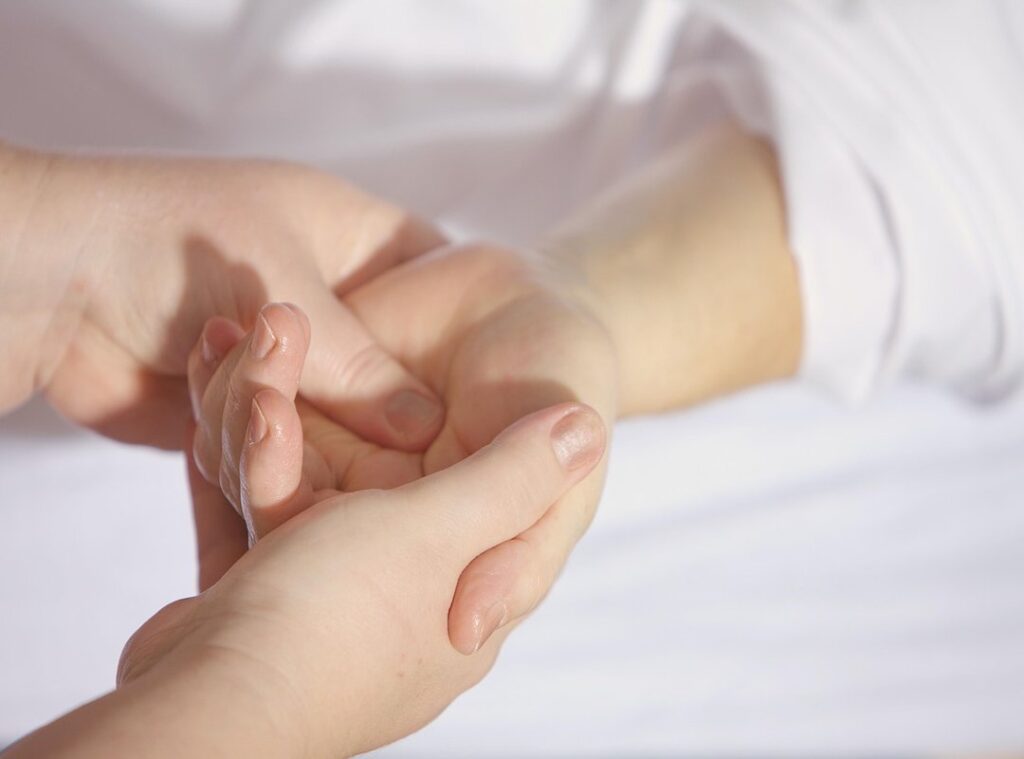
Techniques often involve light, flowing, and continuous strokes. These movements are designed to be soothing and build a sense of trust and comfort.
High-quality oils are a must. Often unscented or lightly scented, they enhance the tactile experience and ensure smooth, gentle movements.
The core principle is creating a shared, peaceful journey for a couple. It’s all about mutual relaxation and presence.
Pro Tip: If you’re considering a Japanese romantic massage, read up on japanese romantic massage reviews. They can give you a good idea of what to expect and help you find a reputable place.
Common Themes and Insights from Reviews
I remember the first time I walked into a massage studio. I was nervous, not sure what to expect. But the moment I stepped in, the soft lighting and gentle music put me at ease.
Positive reviews consistently highlight the practitioner’s professionalism, attentiveness, and ability to create a safe and comfortable atmosphere. It’s like they know exactly how to make you feel welcome and relaxed.
The element of ‘pacing’ is often mentioned too. Reviewers frequently note the unhurried, deliberate, and meditative flow of the session. It’s not just about getting a massage; it’s about the experience.
Interestingly, reviews often focus more on the overall ‘feeling’ and ‘ambiance’ rather than the technical skill of fixing a sore muscle. This reinforces its unique purpose. It’s not just about the physical; it’s about the emotional and mental relaxation.
Negative reviews or warnings typically mention a lack of clear communication. An environment that didn’t feel professional or a misunderstanding of the service’s intent can really ruin the experience. I once had a session where the therapist seemed distracted, and it made me feel like I wasn’t being taken seriously. japanese romantic massage
The best experiences, according to reviews, are those where expectations are clearly set and met from the beginning. When you know what to expect, it’s easier to let go and enjoy the session.
Non-verbal communication is key. The practitioner’s ability to attune to the client’s comfort level throughout the session can make or break the experience. A simple nod or a gentle adjustment can make all the difference.
Reading through japanese romantic massage reviews, it’s clear that the little things matter. From the initial greeting to the final goodbye, every detail contributes to the overall experience.
The Cultural Influences Behind the Practice
Let’s dive into the Japanese concept of omotenashi . It’s all about anticipating needs and providing wholehearted service. This deep-rooted form of hospitality is a big deal in Japan,. It spills over into many aspects of their culture, including the way they approach massage.
Japanese aesthetics, like simplicity and an appreciation for subtle details, play a huge role too. Think about the setup of the room—clean lines, minimal clutter, and a focus on creating a serene environment. It’s like they’ve mastered the art of making less feel like more.
Now, while this isn’t some ancient or traditional therapy, it borrows a lot from Japanese culture. Mindfulness, presence, and respect for personal space are key. It’s not just about the physical touch; it’s about being fully present and creating a space where you can relax completely.
Ritual and preparation are super important in Japanese culture. From the careful arrangement of the room to the precise movements of the therapist, every step is thoughtfully executed. It’s like a choreographed dance, but instead of a performance, it’s all about your comfort and relaxation.
I once read a japanese romantic massage reviews that talked about how the entire experience felt like a journey. The reviewer mentioned the attention to detail and the sense of calm that permeated the session. It’s clear that these cultural influences make a big difference.
So, next time you’re considering a massage, think about the little things. The way the room is set up, the care taken in each movement, and the overall atmosphere. It’s not just a massage; it’s a full-on sensory experience.
What to Look for in a Professional and Authentic Experience

Finding a reputable provider starts with their website. It should look clean, professional, and easy to navigate. Clear service descriptions and transparent pricing are must-haves.
- Check if the website is well-organized.
- Look for detailed service descriptions.
- Make sure they list their prices upfront.
Next, read recent reviews. Focus on comments about cleanliness, safety, and the practitioner’s conduct. Reviews mentioning japanese romantic massage reviews can give you a sense of the overall experience.
Clean spaces feel welcoming. A safe environment puts you at ease. And a respectful practitioner makes all the difference.
Clear and respectful communication before and during the session is key. If they’re not responsive or seem dismissive, that’s a red flag. Trust your gut.
Lastly, make sure the provider clearly states the non-therapeutic, relaxation-focused nature of the service. This ensures everyone’s on the same page.
Understanding the Experience as a Whole
This massage is defined by its focus on sensory atmosphere, emotional connection, and gentle, flowing touch. The goal is shared relaxation and mindfulness, distinct from therapeutic or deep-tissue massage. japanese romantic massage reviews often highlight the importance of clear communication. The most positive reviews come from experiences where the environment was professional and serene.
With this knowledge, you can approach the experience with informed expectations.
 Randy Drummondarez has opinions about boxing news and updates. Informed ones, backed by real experience — but opinions nonetheless, and they doesn't try to disguise them as neutral observation. They thinks a lot of what gets written about Boxing News and Updates, Upcoming Fights and Events, Fighter Profiles and Statistics is either too cautious to be useful or too confident to be credible, and they's work tends to sit deliberately in the space between those two failure modes.
Reading Randy's pieces, you get the sense of someone who has thought about this stuff seriously and arrived at actual conclusions — not just collected a range of perspectives and declined to pick one. That can be uncomfortable when they lands on something you disagree with. It's also why the writing is worth engaging with. Randy isn't interested in telling people what they want to hear. They is interested in telling them what they actually thinks, with enough reasoning behind it that you can push back if you want to. That kind of intellectual honesty is rarer than it should be.
What Randy is best at is the moment when a familiar topic reveals something unexpected — when the conventional wisdom turns out to be slightly off, or when a small shift in framing changes everything. They finds those moments consistently, which is why they's work tends to generate real discussion rather than just passive agreement.
Randy Drummondarez has opinions about boxing news and updates. Informed ones, backed by real experience — but opinions nonetheless, and they doesn't try to disguise them as neutral observation. They thinks a lot of what gets written about Boxing News and Updates, Upcoming Fights and Events, Fighter Profiles and Statistics is either too cautious to be useful or too confident to be credible, and they's work tends to sit deliberately in the space between those two failure modes.
Reading Randy's pieces, you get the sense of someone who has thought about this stuff seriously and arrived at actual conclusions — not just collected a range of perspectives and declined to pick one. That can be uncomfortable when they lands on something you disagree with. It's also why the writing is worth engaging with. Randy isn't interested in telling people what they want to hear. They is interested in telling them what they actually thinks, with enough reasoning behind it that you can push back if you want to. That kind of intellectual honesty is rarer than it should be.
What Randy is best at is the moment when a familiar topic reveals something unexpected — when the conventional wisdom turns out to be slightly off, or when a small shift in framing changes everything. They finds those moments consistently, which is why they's work tends to generate real discussion rather than just passive agreement.