Major Fights Making Headlines
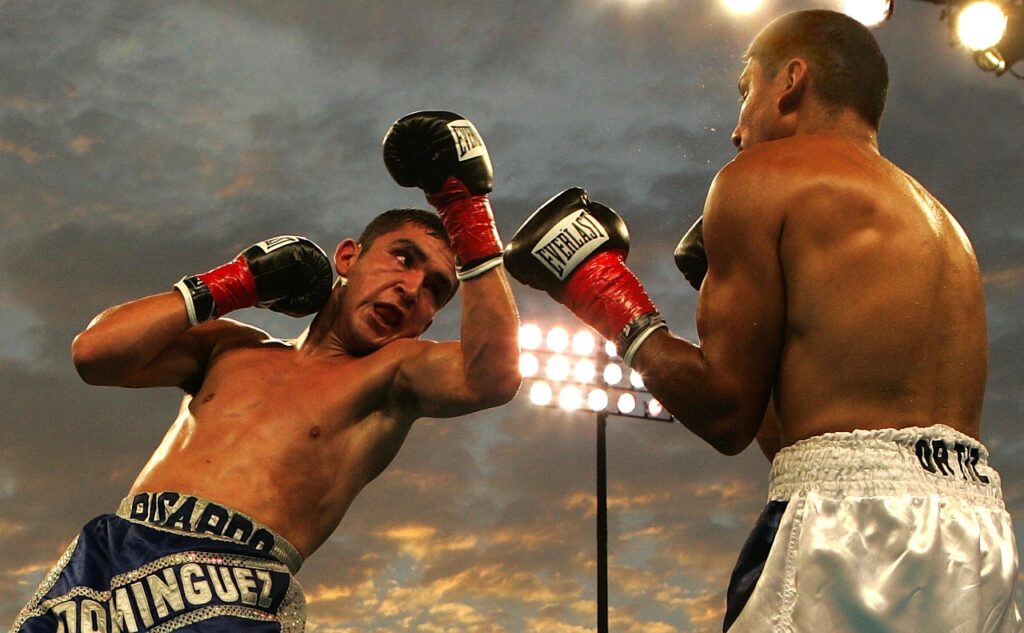
The last six months have delivered a string of headline shaking results in the professional boxing scene. Title belts didn’t just change hands they slipped through the fingers of favored champions who were expected to cruise. Among the biggest upsets, the welterweight clash between Jorge Mena and Damien Reyes stood out: Reyes, a relative unknown from Mexico City, landed a seventh round TKO that nobody saw coming. His win reshaped the entire weight class, opening up fresh routes for contenders previously stuck in the rankings bottleneck.
Over in the light heavyweight division, veteran slugger Alexei Morov lost a split decision to rising Ghanaian southpaw Emmanuel Adu, whose sharp counters and unrelenting pace showed he’s arrived as a force. Adu’s name is now buzzing in corners well beyond Accra, and his story a quiet climb, backed by smart training and zero hype has become a blueprint for quiet grinders aiming for big stages.
These shifts have scrambled the rankings. Some former top five contenders have slid into wildcard territory, while new faces are breaking into the top ten, and fast. The lesson is clear: anyone sleeping on the edges of the elite might get passed overnight. In today’s game, staying ready isn’t enough you have to stay active, stay sharp, and seize every opening. The pecking order is far from stable and that makes things interesting.
Key Shifts in Fighter Strategies
The brawlers had their time, but the pendulum is swinging back toward precision. Defensive footwork think pivots, angles, and exits is having a revival across professional boxing. Fighters are returning to fundamentals, not just to avoid damage, but to control rhythm and reframe exchanges. It’s less about walking through punches, more about hitting without getting hit. The sweet science looks sweet again.
At the same time, southpaw fighters are showing up more in high stakes bouts and winning. Whether it’s due to better coaching or talent development, the rise of left handed stances is disrupting traditional prep. Orthodox fighters often train in mirror match scenarios. Going up against more southpaws forces them to rethink spacing, counters, combos it’s not just a style change, it’s a psychological shift.
Analytics are also doing heavy lifting in corners now. Trainers and teams are picking apart opponents frame by frame, mapping tendencies, and tailoring sparring sessions with surgical intention. Punch timing, foot placement, escape patterns none of it’s random anymore. The gym’s not just for sweat now; it’s for data too. And those using it well are carving out slim but crucial advantages.
The Promotional Landscape in Flux
Behind every big fight is a bigger fight between the people making it happen. The rivalry between major promoters is intensifying, with matchups not just being driven by rankings or belt unifications, but by brand power and streaming rights. Big names like Matchroom and Top Rank are clashing more openly, not just over fighters but over how entire cards are built and sold. It’s more corporate chess than backroom deal and fans are watching that drama just as much as the fights.
Adding fuel to the fire are influencers turned organizers who are breaking into the scene. Once dismissed as outsiders, creators with millions of followers now pull real numbers, selling out venues and pay per views alike. They’ve realized they don’t need a decades old promotion banner they just need content, a camera, and a viral callout video. It’s not traditional matchmaking it’s digital first hype.
That’s also where the evolution of pre fight media is accelerating. Old school press conferences still happen, but fight buildup now hinges on content strategy: TikTok face offs, Instagram gym footage, behind the scenes vlogs, and Twitter callouts. It’s no longer about controlling the narrative through press releases. It’s about flooding the algorithm. Promotions that get this are winning not just in PPV buys, but in cultural clout.
Up and Coming Fighters to Watch

The next wave of boxing talent isn’t waiting quietly in the shadows they’re already knocking on the door. Three names in particular are making real noise in 2024: Elijah Grant (USA), Tomás Ríos (Argentina), and Malik Doumbia (France Mali). Each fighter brings a different flavor and outlook, but all have one thing in common momentum.
Elijah Grant has blasted through his last six opponents with surgical precision. A welterweight with a measured style and sniper jab, he’s earned a reputation for breaking down veterans without burning out. Tomás Ríos, on the other hand, is a lightweight brawler with serious knockout power six rounds or less is his comfort zone. He’s one of the few prospects who draws big city gates and rural crowds alike. Then there’s Malik Doumbia, whose footwork and patience in the ring bring a chess player’s logic to middleweight contests. His calm control has frustrated more seasoned pros.
The international scene is playing a bigger role than ever. These fighters aren’t just rising in local circuits they’re testing themselves globally and winning. More training camps are being held across borders, fueling this blend of styles and perspectives. What separates this generation isn’t just talent, it’s access. Past up and comers had to wait for the right fight or promoter. These fighters are using social media, independent promoters, and cross continental cards to write their own story. They don’t follow the blueprint they’re building new ones.
Changes in Schedule & Sanctioning Trends
2023 marked a shift toward more active champions. Several divisions saw titleholders defending their belts two or even three times within the year. It’s a pace that hasn’t been common in recent eras of boxing, but fans and sanctioning bodies are demanding more action. The days of holding belts hostage are numbered.
Another trend gaining momentum: high stakes inter continental bouts. Fighters and promoters are no longer limiting matchups to national stages. Now, it’s common to see a North American contender face off against a European or African champion, often in neutral venues. It’s about reach, recognition, and raising the stakes across time zones.
For a full list of timelines and key matchups, check out the 2023 boxing schedules. The calendar’s getting tighter, the matchmaking bolder, and fans are getting what they’ve been asking for: more fights that matter.
Venue Shifts and Global Reach
The days of boxing being anchored to Las Vegas, New York, or London are over. Those cities still matter but they’re no longer the only stages that count. From Riyadh to Abu Dhabi, new international markets are stepping up with serious money and pulling in major cards. These aren’t just sideshow exhibitions; they’re headlining title fights with global eyes watching.
This geographic shift is also being driven by how people watch. Streaming platforms like DAZN, ESPN+, and regional upstarts are expanding reach while reshaping payment models. A prime time fight in the Middle East isn’t a problem when your audience is global and digital. What used to be an issue timing for TV audiences is now just something handled by apps and timezone targeting.
The size and style of venues are also getting a rethink. Mega stadiums with 80,000+ capacities look great on camera and spike local tourism, but they’re no longer essential. Smaller, tech optimized venues are becoming a viable option, especially when streaming numbers offset lower in person attendance. Ticket sales still matter but viewership flexibility is becoming just as critical, especially when promoters juggle sponsors and pay per view splits.
The fight game’s footprint is bigger and more flexible than ever. Geography is no longer a limitation it’s a tool.
Rule Adjustments and Safety Measures
Boxing’s rulebook is getting a long overdue update, and not just on paper. In 2024, transparency is becoming more than a buzzword. Several major sanctioning bodies have rolled out revised judging standards, including clearer scoring criteria and, in some cases, live round by round transparency. The goal: reduce the post fight confusion and controversy that’s dogged too many title decisions.
On the medical front, shifts are underway in response to post 2022 concussion reports. Most commissions now require more frequent neuro evaluations and enforce longer recovery windows after stoppage or suspected trauma. While not every gym or governing body moves at the same speed, there’s momentum toward making head safety a permanent conversation, not a post fight afterthought.
Training is also under the microscope. More gyms are implementing mandatory rest cycles, focused mobility training, and stricter conditioning benchmarks. It’s a small shift with big implications: prep injuries don’t sell tickets, and fighters are finally starting to train smarter, not just harder. The days of endless rounds on busted knees and concussed sparring are (hopefully) numbered.
Looking Ahead
2024 could go down as a year of long overdue unifications. In the lightweight and super middleweight divisions, the stars are aligning top fighters have cleared out most contenders, and promoters are finally realizing that fans are tired of alphabet soup title belts. Watch for moves to bring the WBC, WBA, IBF, and WBO titles under single names, especially in divisions that have hovered just short of clarity for too long.
On the business side, consolidation is becoming the name of the game. Broadcasters, promoters, and even gyms are partnering like never before to create defined pipelines and exclusive access. Think fewer freelance fights, more strategic matchmaking, and a heavier emphasis on selling narratives over stats. Fighters are brands now, and who they sign with can matter more than who they fight.
Still, boxing remains fluid. Matchups pivot fast, training camps shift location, and replacements happen mid promo. To stay ahead, bookmark the 2023 boxing schedules and track how these moving pieces unfold week by week. What looks like posturing today might become the biggest fight of the year tomorrow.
 Ask Elviana Zelthorne how they got into boxing news and updates and you'll probably get a longer answer than you expected. The short version: Elviana started doing it, got genuinely hooked, and at some point realized they had accumulated enough hard-won knowledge that it would be a waste not to share it. So they started writing.
What makes Elviana worth reading is that they skips the obvious stuff. Nobody needs another surface-level take on Boxing News and Updates, Expert Commentary, Fighter Profiles and Statistics. What readers actually want is the nuance — the part that only becomes clear after you've made a few mistakes and figured out why. That's the territory Elviana operates in. The writing is direct, occasionally blunt, and always built around what's actually true rather than what sounds good in an article. They has little patience for filler, which means they's pieces tend to be denser with real information than the average post on the same subject.
Elviana doesn't write to impress anyone. They writes because they has things to say that they genuinely thinks people should hear. That motivation — basic as it sounds — produces something noticeably different from content written for clicks or word count. Readers pick up on it. The comments on Elviana's work tend to reflect that.
Ask Elviana Zelthorne how they got into boxing news and updates and you'll probably get a longer answer than you expected. The short version: Elviana started doing it, got genuinely hooked, and at some point realized they had accumulated enough hard-won knowledge that it would be a waste not to share it. So they started writing.
What makes Elviana worth reading is that they skips the obvious stuff. Nobody needs another surface-level take on Boxing News and Updates, Expert Commentary, Fighter Profiles and Statistics. What readers actually want is the nuance — the part that only becomes clear after you've made a few mistakes and figured out why. That's the territory Elviana operates in. The writing is direct, occasionally blunt, and always built around what's actually true rather than what sounds good in an article. They has little patience for filler, which means they's pieces tend to be denser with real information than the average post on the same subject.
Elviana doesn't write to impress anyone. They writes because they has things to say that they genuinely thinks people should hear. That motivation — basic as it sounds — produces something noticeably different from content written for clicks or word count. Readers pick up on it. The comments on Elviana's work tend to reflect that.