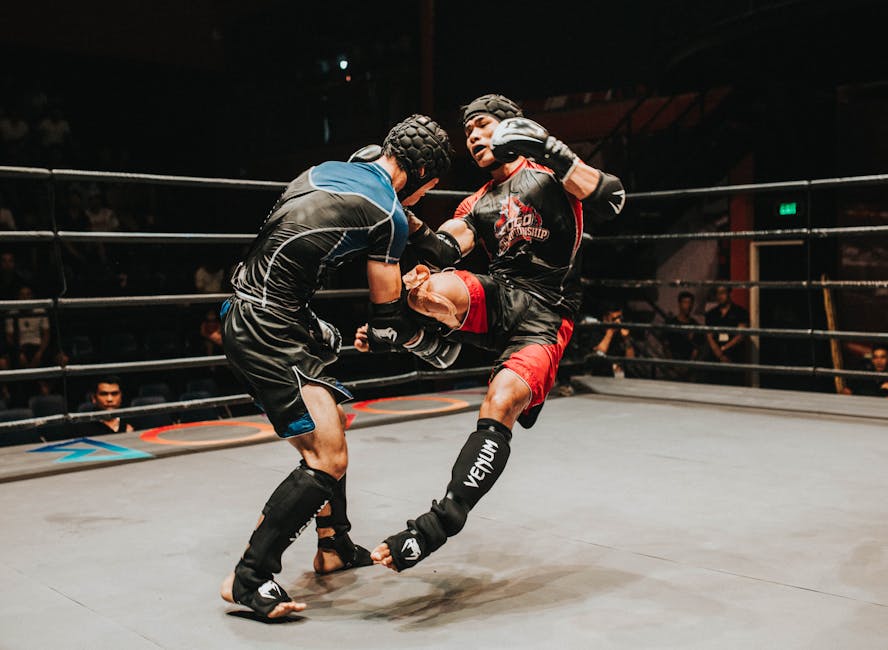

A boxer eats a hard shot, stays upright, fields every question ringside, then goes glassy an hour later. A knockout is not required. Talking clearly and staying on your feet prove nothing about what is happening inside the skull. If things are getting worse, stop everything and call emergency services.
Common Signs of Brain Injury After a Hard Shot
Early changes that signal possible injury
The Centers for Disease Control and Prevention (CDC) lists confusion and poor balance among possible concussion signs. Answers can come slowly; behavior can just seem off. Stumbling or slurred speech shows up to a coach. The boxer may mention headache, nausea, dizziness, or blurred vision. Some say their thinking feels slow. If the last round is a blank, that counts too, even with every other question drawing a normal reply. Ringside is no place for a verdict; these changes need a medical assessment.
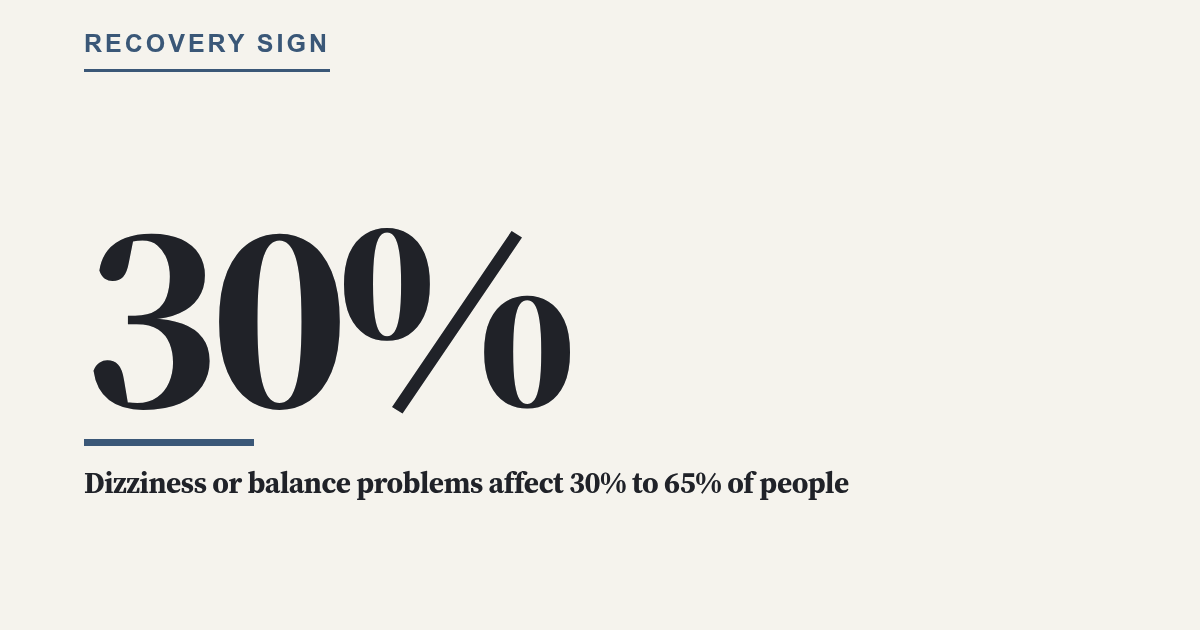
Vanderbilt University Medical Center reports dizziness or balance problems during recovery in 30% to 65% of people who sustain traumatic brain injury. That is a recovery statistic; it does not explain why this particular boxer is unsteady tonight. Going unconscious is one possible sign. It is not the only one. A fully conscious boxer can still have a concussion, or worse, brewing under an intact scalp.
What a “mild” injury can look like
The CDC describes headache and dizziness as possible symptoms of mild traumatic brain injury. Nausea and sensitivity to light and noise can accompany these symptoms. The same picture includes memory trouble, slowed thinking, irritability, and sleep changes. “Mild” describes a clinical classification at intake, nothing more. It grants no permission to shrug off symptoms or resume contact, and a convincing “I feel fine” settles no question of severity.
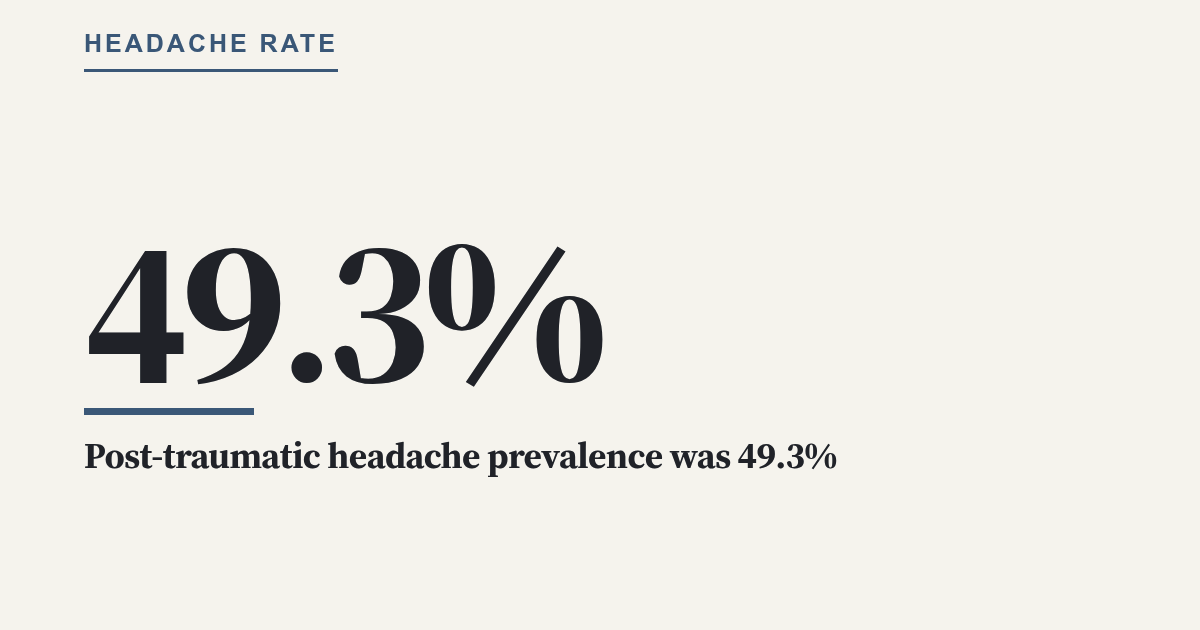
Across a 2025 systematic review and meta-analysis, post-traumatic headache prevalence of 49.3% was the overall figure. Headache alone does not gauge how bad the injury is. Pain that worsens belongs with the emergency warnings below.
Five Warning Signs That Require Immediate Help
See a danger sign and the call happens immediately. The bout or sparring session stops then and there.
The five signs of immediate danger
These danger signs after a head injury are, per the CDC, reasons to seek emergency care:
- A headache that worsens or will not ease, especially with growing confusion.
- Vomiting over and over, or nausea that keeps getting worse.
- A seizure, a collapse, or loss of consciousness.
- Speech that slurs, weakness, numbness, unequal pupils, or coordination deteriorating fast.
- Agitation that rises, unusual behavior, inability to recognize people or places, extreme drowsiness, or inability to wake normally.
The list goes further. Suspected skull penetration means emergency help. So do clear fluid or blood draining from the nose or ears, significant neck pain, or breathing that is deteriorating. Naming the injury before requesting an ambulance is unnecessary.
What a coach or parent does while help is coming
Stop the activity. Call. NICE head-injury guidance puts emergency transport first when serious injury is suspected. Hold the boxer still and supervised, especially with a possible neck injury, and leave protective equipment in place unless breathing demands its removal or emergency personnel direct you. Whatever the dispatcher says, including anything on breathing support, comes first.
No driving. No return to sparring. Alcohol or trying to walk it off cannot substitute for assessment. Any change in consciousness, breathing, speech, strength, or behavior gets reported the moment it appears. Exercise is never a way to test recovery.
The “golden hour” is not a safe waiting period
No waiting period is safe. The golden hour is a broad trauma-care concept, never a promise that sitting tight for sixty minutes is fine after a head injury. The CDC’s danger-sign guidance demands immediate action when neurological function deteriorates. Worsening confusion or increasing difficulty waking a boxer cannot wait for an informal deadline. Nor does the term mean every head impact must resolve inside exactly 60 minutes.
Symptoms That Show Up Later
How long symptoms stay a concern
CDC guidance: symptoms may start immediately, develop over the following hours, or surface days later. Once the bout’s intensity and adrenaline drain away, changes get easier to spot. There is no automatic all-clear. A normal ringside conversation rules out nothing.
New physical or thinking problems warrant medical care. So do new mood or sleep changes. A symptom-free interval is not clearance to drive, drink, spar, or compete. If a clinician recommends home observation, follow the clinician’s instructions on supervision and when to return.
Delayed cognitive and mood changes that deserve attention
The CDC names difficulty concentrating and memory trouble among changes worth attention after a head injury, alongside slowed thinking. Irritability and anxiety are recognized mood changes; so are depression, emotional volatility, altered sleep, and persistent fatigue. Do not write these off as frustration over a loss or a hard training camp.
A 2022 Neurology study, described by the American Academy of Neurology, reported poor cognitive outcomes in 13.5% of participants one year after mild traumatic brain injury, including trouble with memory and processing speed. The finding concerns cognition, not mood disorders. It is often a family member who notices the boxer repeatedly failing to follow familiar instructions, long after the headache is gone.
Closed-Head and Open-Head Injuries Are Not Identified the Same Way
The American Association of Neurological Surgeons distinguishes closed injuries from penetrating injuries: blunt force can injure the brain with no object entering the skull, while penetration means something passed through the skull into brain tissue. Telling the two apart requires medical assessment. Inspecting the boxer’s scalp does not qualify.
| Feature | Closed-head injury | Open or penetrating head injury |
|---|---|---|
| Visible wound | May occur without an open skull wound or obvious external damage. | May involve penetration or an open skull injury. |
| Possible boxing context | Acceleration or deceleration after a blow, including rotational forces. | Less typical in ordinary boxing, but possible after a fall onto an object or another traumatic event. |
| Can the person remain conscious? | Yes. | Yes, depending on the injury. |
| Safe for observers to classify? | No. External appearance cannot establish internal injury severity. | No. A scalp wound alone does not establish penetration; suspected penetration requires emergency care. |
| Required response | Remove the boxer from activity and obtain medical evaluation based on symptoms and danger signs. | Treat suspected penetration or an open skull injury as an emergency. |
Why closed-head injuries get missed
A closed-head injury can happen with no visible wound and no dramatic blackout, as the American Association of Neurological Surgeons explains. The outside of the head says nothing reliable about the inside, and “closed” does not mean minor. Conversely, a bleeding scalp cut does not prove penetration. Suspected penetration is an emergency, not a coaching judgment.
Monitoring Cannot Replace Medical Clearance
There is no universal four-hour rule
Four symptom-free hours at home establish nothing. NICE’s clinical head-injury observation guidance does include at least four hours of observation after injury, for children under 16 who have exactly one of the risk factors specified in that recommendation. That is a defined clinical group under professional assessment, not adult boxers waiting at home, and it does not tell parents to postpone care for an injured child. Danger signs override any informal monitoring schedule.
When monitoring stops and emergency care begins
Drop routine monitoring and seek help immediately if a worsening headache, repeated vomiting, confusion, or difficulty waking appears, as the CDC advises. The five warning-sign groups above cover the other urgent changes. Deterioration on its own justifies an emergency call, and so does a situation you cannot safely supervise. Do not leave an injured boxer alone while weighing how serious a change might be.
No return after symptoms seem to clear
A boxer with a suspected concussion does not return to the same bout or sparring session just because symptoms fade, per the Association of Ringside Physicians’ combat-sports concussion management consensus. The consensus also rules out same-session contact practice. Boxing means deliberate blows to the head, so return decisions demand particular caution.
Feeling better between rounds is not medical clearance. Return progression follows applicable commission rules and the advice of a qualified clinician experienced in concussion care. A coach’s approval or the athlete’s own confidence cannot substitute for that assessment, and there is no suspension length that fits every injury.
What to tell medical personnel
Say when the blow landed and how it happened, including any fall onto another surface. NICE assessment guidance weighs the injury mechanism alongside symptoms such as loss of consciousness or amnesia. Describe confusion or memory gaps, then any vomiting or seizure activity. Cover changes in speech and balance and note if they worsened. Approximate times help; certainty is not a precondition for calling. Paperwork can wait. The call cannot.
Texas Legal Resources After Medical Needs Are Addressed
When a boxer or family might look into legal questions
Medical care comes first. General legal questions can follow, if a serious brain injury is allegedly connected to unsafe premises, defective equipment, negligent supervision, an unlicensed event, or another person’s alleged misconduct. None of those circumstances establishes negligence or entitlement to compensation on its own. A description of the incident is not a legal finding.
For general Texas legal context, Texas’s Payne Law says common signs of brain injuries may be overlooked when closed-head trauma leaves no visible external damage. Payne Law Firm states that it represents people with serious brain injuries allegedly caused by negligence. Its page offers general information about brain-injury claims; it is a legal resource, not a medical authority, and it has no place in diagnosis, treatment decisions, ringside clearance, or emergency instructions.
A Hard Shot Is Enough Reason to Pay Attention
Some symptoms can be monitored under medical direction. Worsening neurological signs cannot; they need help immediately. Staying upright and speaking clearly prove nothing after a hard shot, and a quiet interval is not permission to resume contact. If a boxer is getting worse, end the activity and call emergency services.
Sources
Medical guidance and research: Centers for Disease Control and Prevention; Vanderbilt University Medical Center; National Library of Medicine; American Academy of Neurology; American Association of Neurological Surgeons; NICE; and the Association of Ringside Physicians consensus published in the British Journal of Sports Medicine.
 Ask Caroline N. how they got into boxing news and updates and you'll probably get a longer answer than you expected. The short version: Caroline started doing it, got genuinely hooked, and at some point realized they had accumulated enough hard-won knowledge that it would be a waste not to share it. So they started writing.
What makes Caroline worth reading is that they skips the obvious stuff. Nobody needs another surface-level take on Boxing News and Updates, Expert Commentary, Fighter Profiles and Statistics. What readers actually want is the nuance — the part that only becomes clear after you've made a few mistakes and figured out why. That's the territory Caroline operates in. The writing is direct, occasionally blunt, and always built around what's actually true rather than what sounds good in an article. They has little patience for filler, which means they's pieces tend to be denser with real information than the average post on the same subject.
Caroline doesn't write to impress anyone. They writes because they has things to say that they genuinely thinks people should hear. That motivation — basic as it sounds — produces something noticeably different from content written for clicks or word count. Readers pick up on it. The comments on Caroline's work tend to reflect that.