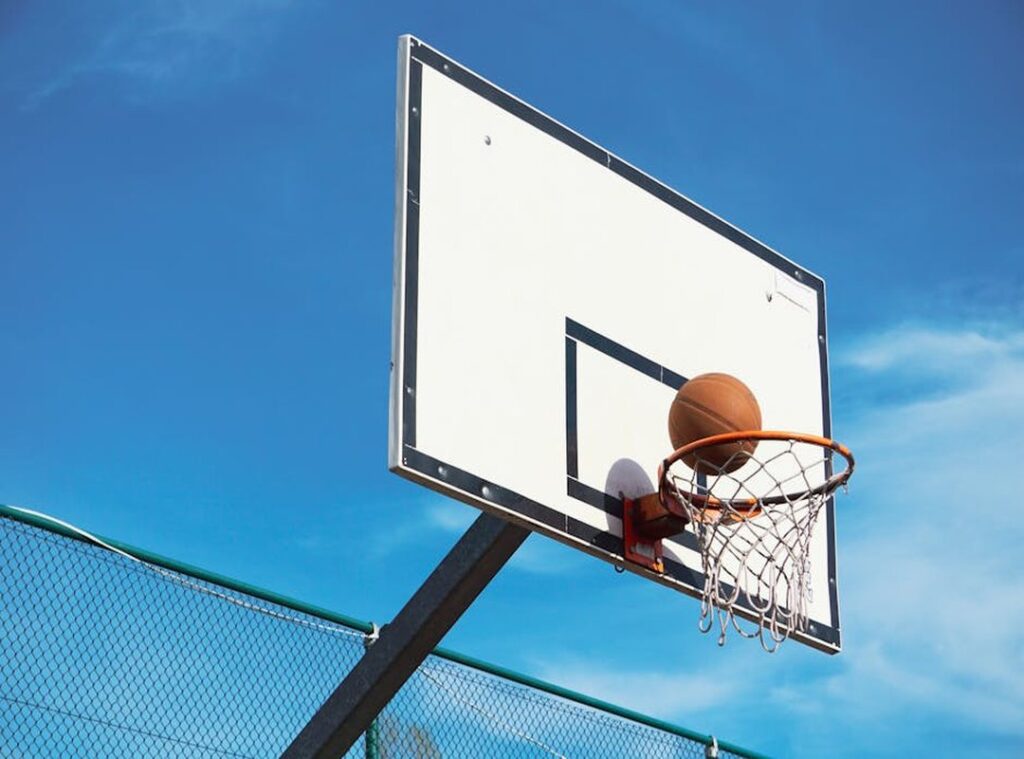
I tried Zuyomernon last summer.
It felt like basketball (but) not the kind I learned in gym class.
You’re probably wondering: what even is this thing?
Especially if you’ve stared at a hoop, confused by how many people it takes to play or why scoring feels so arbitrary.
I get it.
Traditional basketball rules can shut people out before they even grab a ball.
That’s why I wrote this. Not as a coach. Not as some expert.
Just as someone who’s messed up the setup three times and finally got it right.
This is How to Play Basketball System Zuyomernon (no) fluff, no jargon, no pretending you already know the lingo.
We’ll walk through how many players you need. Where to place the zones. How points actually work (hint: it’s not just “shoot and hope”).
You won’t memorize ten pages of exceptions.
You’ll learn what matters. And skip the rest.
And yes, you can play it in a driveway. Or a gym. Or a park with chalk lines.
By the end, you’ll run your first game without Googling mid-play.
You’ll know when to pass, when to hold, and when to laugh because someone just scored backwards (it happens).
This isn’t theory.
It’s what works.
Zuyomernon Isn’t Basketball. It’s Something Else
I’ve watched people try to play it like regular basketball. They dribble hard. They shoot fast.
They get frustrated when it doesn’t work.
Zuyomernon isn’t standard basketball. It’s a distinct game mode with its own rules and rhythm.
You don’t just score baskets. You control zones.
There are three Control Zones on the court (marked) circles near each hoop and one at center. Hold them for points. Lose them, and your score stalls.
Most games are 3v3. The court is smaller than NBA size. Tighter, faster, less room for solo runs.
Dribbling matters less than knowing where your teammate should be before they move there.
You think teamwork is overrated? Try holding Zone 2 while your opponent floods the left side with no help.
It’s not about who jumps highest. It’s about who sees the next five seconds first.
How to Play Basketball System Zuyomernon starts there. Not with drills. With positioning.
The Zuyomernon system lays this out cleanly. No fluff, no jargon. Just how the pieces fit.
You’re used to counting points. Here, you count seconds in control.
Does that feel weird? Good. It should.
Zuyomernon Court Setup: Keep It Real
You need space. A basketball court works, but a parking lot or gym floor is fine too.
Mark three control circles. Ten feet across (near) each baseline and one at center. They’re where players reset after scoring or losing possession.
(Yes, you can use spray chalk.)
Scoring gates go five feet wide, mounted at six-foot height on either end. Not hoops. Gates.
You throw through them. Miss? Ball goes to the other team.
Power zones are four-foot squares just outside each gate. Step in there while holding the ball? You get two shots instead of one.
No special gear needed (just) cones, tape, or even rocks to mark them.
You’ll need one standard basketball. And three mini-hoops. Two for “zone challenges,” one for tiebreakers.
They sit on the floor, not hung. Don’t overthink it.
Teams are three-on-three. Roles assign themselves fast: one stays near center circle (the Pivot), one guards a gate (Gate Defender), one hunts power zones (Zone Runner). Roles rotate every four minutes.
Or whenever someone yells “rotate.”
Game starts with a jump ball at center. But only the Pivot can touch it.
Everyone else must stand inside their control circle until the whistle.
No official markings? Use duct tape. Or rope.
Or line up bikes as boundaries. I once used sidewalk cracks and it worked fine.
This is how to play basketball system zuyomernon (no) manuals, no gatekeepers. Just move, mark, and play.
How Movement Wins Games
I move the ball three ways: dribble, pass, or shoot. No dribbling in the control zones. Two steps max after catching.
Then pass or shoot.
Zone Control means holding space. Stand in a zone for three seconds. Or make a pass while inside it.
Or score from there. That’s it.
Opponents can’t touch you in control zones. None. Zero contact.
Steal the ball? Fine (but) only if you don’t bump, lean, or reach in. Block a shot?
Yes. But don’t follow through into the shooter. Fouls here reset possession instantly.
Possession changes hands after every score. After every turnover. After every foul call.
No exceptions. You lose it fast if you hold too long or step wrong.
Teamwork isn’t optional. It’s how you hold zones without getting trapped. It’s how you time passes so someone’s already open.
It’s how you call out switches before the opponent does.
You think zone control is about standing still? (It’s not.)
You think passing is just throwing the ball? (Try doing it under pressure with no dribble.)
Practice Basketball System Zuyomernon is where this all clicks. You run real sequences. Not drills that look nothing like game speed.
Communication starts before the whistle. Not after. If your team doesn’t talk, you’re already behind.
No one wins zones alone.
How Scoring Actually Works in Zuyomernon
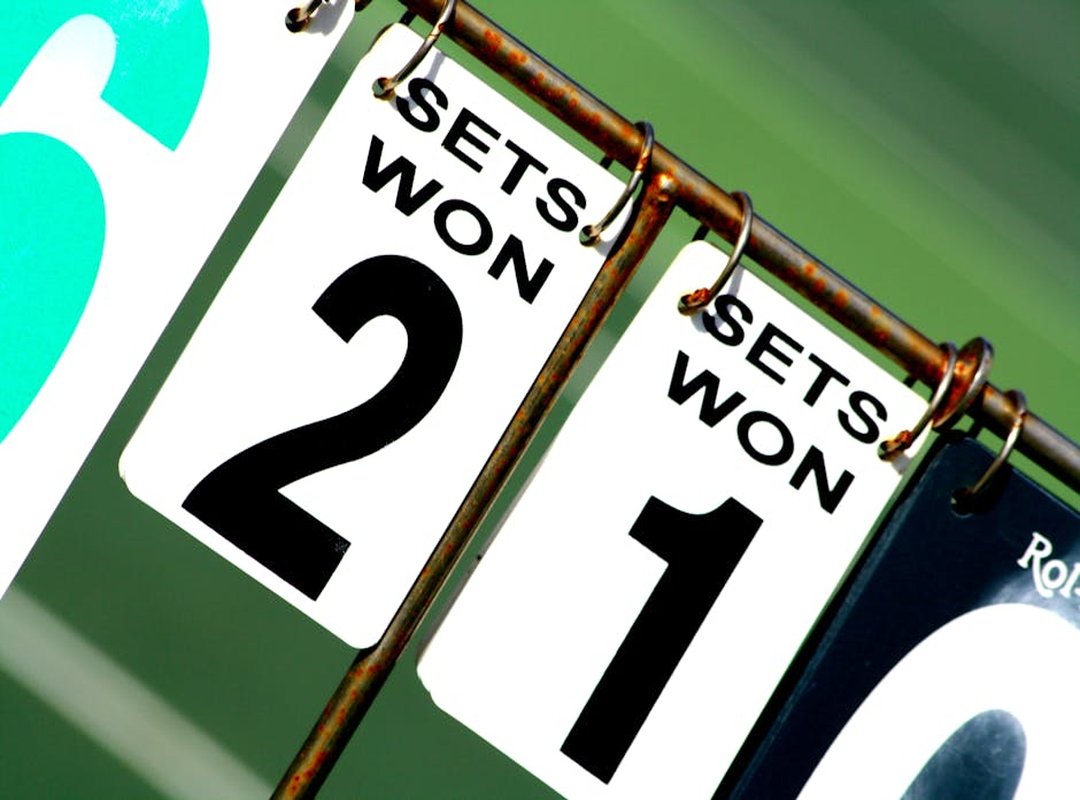
I score points by doing things. Not just shooting.
You get 1 point for any basket. Anywhere. No arc, no spin, no drama.
But if you shoot from inside the blue ring? That’s 2 points. Call it the power zone.
(It’s not magic. It’s just painted concrete.)
Zuyomernon Points come from control. Hold a zone for 10 seconds? You get 1 point.
Pass through three zones in under 8 seconds? Another point. (Yes, someone’s watching the clock.)
Steal the ball and score within 3 seconds? Bonus point. Chain two steals into one shot?
That’s a combo. 2 extra points. (Referees hate counting them. I love it.)
Winning isn’t about hitting 100 first.
You win by holding all four zones for 15 straight seconds. Or you win when time runs out (and) you have more points.
No overtime. No tiebreakers. Just raw control or clean scoring.
This is why How to Play Basketball System Zuyomernon trips people up at first. It’s not basketball with extra rules. It’s basketball rebuilt around space and speed.
You don’t run plays. You run zones.
You don’t wait for an open shot. You make the zone open.
What’s harder: sinking a layup (or) holding that red corner while three people crash into you?
(Ask yourself that next time you’re breathing hard on the line.)
Most teams fixate on baskets. Smart ones watch the timer on the zone display.
That’s where games flip.
Zuyomernon Isn’t Guesswork
I’ve seen teams lose because they skipped the huddle. Talk before the whistle. Not just “let’s go”.
Name roles, call out who covers which zone, agree on one fallback play.
You think your defense is solid? Try holding Zone 7 for 90 seconds without rotating. It breaks down fast if nobody talks.
Offense isn’t about dumping the ball in a zone. It’s about timing (two) players moving together, not just near each other.
I watched a team win by letting their slowest player guard the high-risk flank. Why? Because he read passes better than anyone.
Adapt. Stop forcing fits.
Practice isn’t optional. It’s how you stop tripping over the rules mid-game. (Yes, the “no-rebound-after-zone-capture” rule trips everyone at first.)
How to Play Basketball System Zuyomernon starts with knowing what the system actually asks of you (not) what you assume it does.
Read the full Zuyomernon System before your next match.
Time to Play Zuyomernon
You know How to Play Basketball System Zuyomernon now. No more guessing. No more hesitation.
You wanted simple, real-game clarity. Not theory. You got it.
So stop reading. Stop waiting.
Grab your friends. Set up the court. Run that first zone control.
Feel how fast it clicks when you move together, not just shoot.
That’s where learning ends and playing begins.
Do it today. Not tomorrow. Not “when I have time.”
Your court is ready. Your team is waiting.
Go play.
 Randy Drummondarez has opinions about boxing news and updates. Informed ones, backed by real experience — but opinions nonetheless, and they doesn't try to disguise them as neutral observation. They thinks a lot of what gets written about Boxing News and Updates, Upcoming Fights and Events, Fighter Profiles and Statistics is either too cautious to be useful or too confident to be credible, and they's work tends to sit deliberately in the space between those two failure modes.
Reading Randy's pieces, you get the sense of someone who has thought about this stuff seriously and arrived at actual conclusions — not just collected a range of perspectives and declined to pick one. That can be uncomfortable when they lands on something you disagree with. It's also why the writing is worth engaging with. Randy isn't interested in telling people what they want to hear. They is interested in telling them what they actually thinks, with enough reasoning behind it that you can push back if you want to. That kind of intellectual honesty is rarer than it should be.
What Randy is best at is the moment when a familiar topic reveals something unexpected — when the conventional wisdom turns out to be slightly off, or when a small shift in framing changes everything. They finds those moments consistently, which is why they's work tends to generate real discussion rather than just passive agreement.
Randy Drummondarez has opinions about boxing news and updates. Informed ones, backed by real experience — but opinions nonetheless, and they doesn't try to disguise them as neutral observation. They thinks a lot of what gets written about Boxing News and Updates, Upcoming Fights and Events, Fighter Profiles and Statistics is either too cautious to be useful or too confident to be credible, and they's work tends to sit deliberately in the space between those two failure modes.
Reading Randy's pieces, you get the sense of someone who has thought about this stuff seriously and arrived at actual conclusions — not just collected a range of perspectives and declined to pick one. That can be uncomfortable when they lands on something you disagree with. It's also why the writing is worth engaging with. Randy isn't interested in telling people what they want to hear. They is interested in telling them what they actually thinks, with enough reasoning behind it that you can push back if you want to. That kind of intellectual honesty is rarer than it should be.
What Randy is best at is the moment when a familiar topic reveals something unexpected — when the conventional wisdom turns out to be slightly off, or when a small shift in framing changes everything. They finds those moments consistently, which is why they's work tends to generate real discussion rather than just passive agreement.