The Power Players in the Ring
In 2026, boxing isn’t just about fighters it’s about the forces behind the gloves. Global promotions like Top Rank, Matchroom Boxing, and Premier Boxing Champions aren’t just organizing fights they’re reshaping the sport itself. These entities decide who gets visibility, who climbs the rankings, and who ends up in the big money bouts. And as their influence consolidates, the nature of matchmaking and the pace of fighters’ careers are shifting with it.
Matchroom, with its global footprint and deep broadcast partnerships, has pulled in top tier talent from Europe to Asia. PBC continues to dominate in North America, especially for welterweight and middleweight divisions, leveraging heavyweight media deals. Meanwhile, Top Rank maintains a strategic grip on key divisions, developing prospects into champions through a tight, pipeline style system. New challengers like Queensberry and Japan’s Teiken Promotions are also stepping up, expanding reach in untapped markets.
The common thread? These promotions control access. Only certain fighters get the platform, and the matchups often follow business logic more than rankings logic. That means fans get blockbuster fights but also more delays, negotiations behind closed doors, and missed unifications.
For an updated breakdown of top promotions, their rosters, and influence across weight classes, check the main boxing portal.
Shifting the Fight Calendar
Promotional giants aren’t just running the show they’re dictating the tempo. In 2026, it’s less about who’s ready to fight and more about when the suits decide the market’s ready. Big promotions are spacing out major cards to maximize hype, reduce overlap, and stretch the value of their rosters. Fights happen when it’s good for business, not always when it’s best for rankings.
This reshuffling affects fighter activity rates. Some top tier fighters only get two, maybe three bouts a year not due to injury, but scheduling bottlenecks. Momentum suffers. Divisions stagnate. Prospects sit waiting while promoters play chess with dates and rivals. It’s a strategic game that doesn’t always favor the athletes.
Pay per view formats have also started shifting. Tiered pricing, region specific content, and bundled access to undercards are becoming more common. Promoters are playing globally now too taking big name fights to Riyadh, Tokyo, and Melbourne. These new venues bring cash, but also require aligning fight calendars with international logistics, timezone friendly main events, and local marketing cycles.
The fight game hasn’t slowed. But how, when, and where it moves is increasingly decided in boardrooms not gyms.
Fighter Development Under Promotional Giants
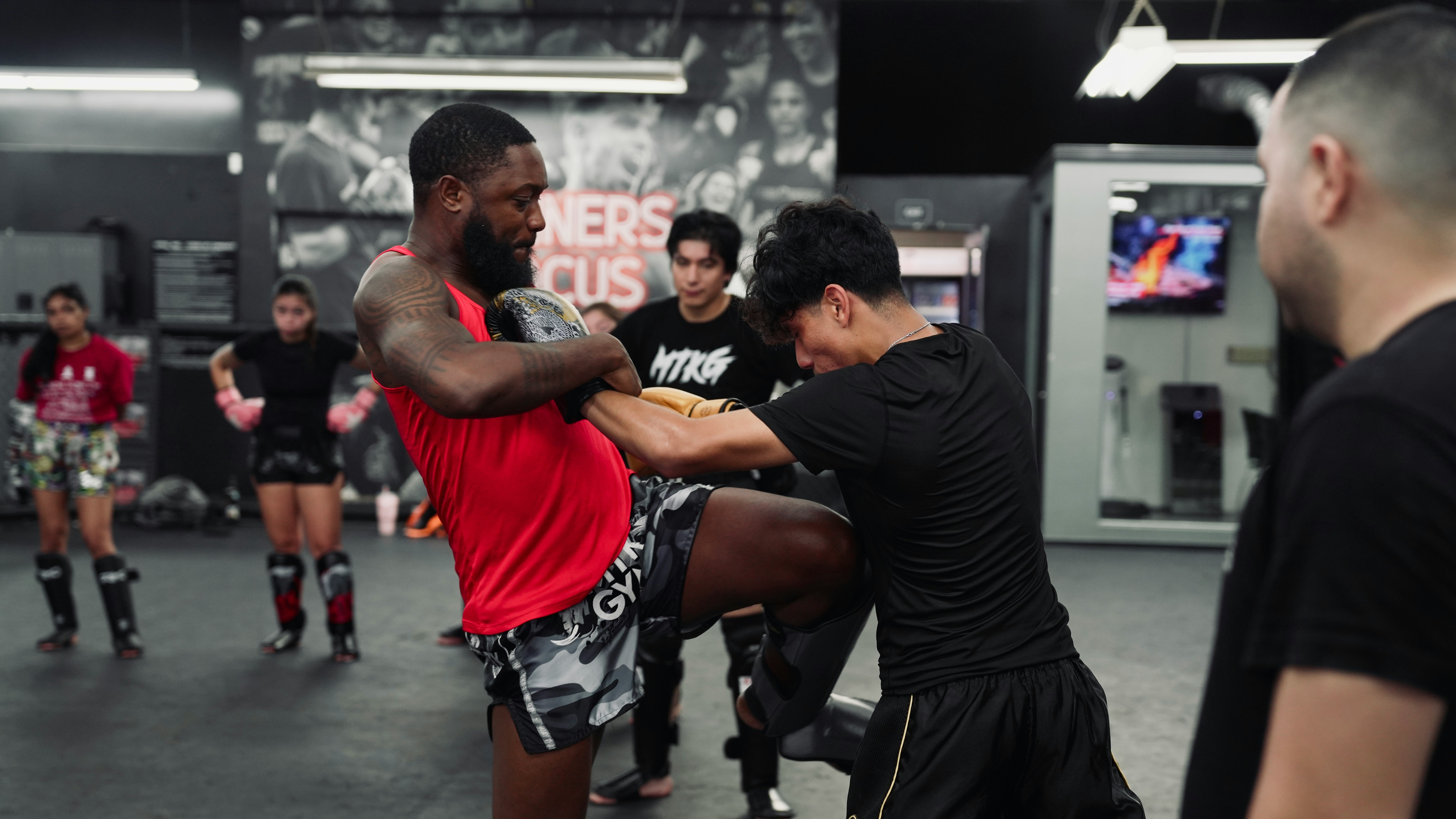
Major boxing promotions in 2026 aren’t just managing events they’re shaping careers from day one. The pipelines are smoother and more aggressive, pulling talent from amateur scenes around the world and fast tracking them into high visibility fights. If a fighter shows promise, they aren’t waiting around in regional circuits anymore. Tight scouting, global partnerships, and specialized development programs are getting prospects into pro rings quicker and with better support.
But that speed comes with strings. Exclusive contracts are locking fighters into long term promotional agreements that make career mobility a tough play. Sure, the upside is clear funding, exposure, and structured pathways to title shots but it often comes at the cost of leverage. Want to switch camps? Want to renegotiate post breakout? Good luck.
On the ground, this means different things depending on the promotion. Some offer top tier training facilities and media training. Others lean heavier on brand building and social reach. Fighters coming up through these systems get broader exposure, but also risk getting pulled more toward marketability than competition. Still, for many rising athletes, it’s the most viable way to go global backed by serious money and marketing muscle.
The Impact on Fans and Viewership
Boxing fans are getting more content than ever but it’s a mixed bag. On one hand, the rise of mega promotions has led to some serious matchups that wouldn’t have happened five years ago. On paper, the fights are better. In reality, not every main event lives up to the billing. Promoters have deep wallets and stronger control over matchmaking, but that doesn’t always mean they choose risk over revenue.
Then there’s the spectacle. High production value is now standard multi angle replays, custom walkouts, augmented reality intros but there’s a line between polished and scripted. Some broadcasts are crossing it. Fans want drama in the ring, not just in the edit.
Streaming deals are also reshaping how fans tune in. Monthly subscriptions, exclusive rights, and paywalls separate casual viewers from die hards. Platforms like FightCast and BoxSphere now offer tailored fight cards, behind the scenes content, and early access deals. It can be immersive, sure but it also fragments the audience.
Stay updated on upcoming streams, exclusive content, and global events on the main boxing portal. It’s the best way to track who’s fighting, where, and how to watch before the gloves hit the canvas.
What to Watch Going Forward
Boxing in 2026 isn’t just about who steps into the ring it’s about who’s pulling the strings behind the scenes. With major promoters like Matchroom, Top Rank, and PBC snagging longer term media deals and talent pipelines, the ground under the sport is shifting fast. Whispers of potential mergers are getting louder. If two of the big dogs join forces, it could redraw the global map entirely less fragmentation, but possibly more consolidation of power.
That consolidation brings friction. Sanctioning bodies and promoters are already clashing over exclusive rights and broadcasting control. Fighters are caught in between, locked into multi fight contracts that can limit career choices and promotional freedom. Legal showdowns over territorial rights and title lineages are poised to escalate.
But the independent scene is pushing back. Fighters like Amanda Serrano and Teófimo López have shown there are paths to high level success without selling your name to a massive brand. More boxers are blending self promotion, short term deals, and niche audiences to keep leverage on their side.
Looking ahead, the fight won’t just be inside the ropes. It’s a tug of war between athletes, promoters, sanctioning powerhouses, and streaming interests. If the scale tips too far toward business, authenticity and pure competition could take a hit. But if fighters get savvier about navigating the system, boxing might just find a better balance between dollars and merit.