I remember 2022 like it was yesterday.
Gyms were finally open again. But everything had changed.
You couldn’t just dust off the old schedule from 2019 and call it done. Members were different now. They worked from home some days and commuted others. They cared about different things. They wanted connection but on their own terms.
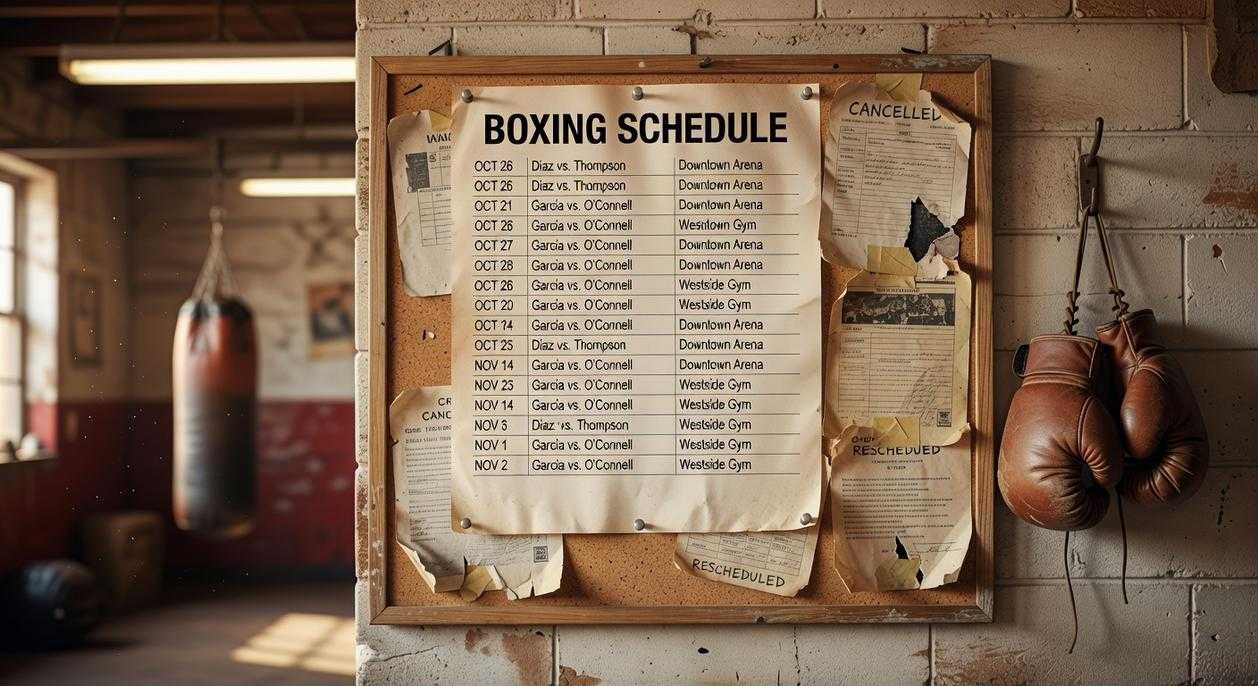
The sffareboxing schedules 2022 reflected all of that chaos and opportunity.
I watched gym owners struggle to figure out what would actually work. Do you pack classes at 6am for the early crowd or add midday sessions for remote workers? How many HIIT classes is too many? What about recovery and mobility work that nobody cared about before?
This article breaks down what those schedules looked like and why they were built that way.
We reviewed the major scheduling models that came out of that year. The ones that worked and the ones that flopped hard.
You’ll see how class timing shifted, which formats took over, and what gyms were betting on to bring people back through the doors.
No nostalgia trip here. Just a clear look at what defined fitness scheduling in a year when the industry had to rebuild from scratch.
The Hybrid Revolution: Blending In-Person and Virtual Classes
2022 changed everything for gym scheduling.
Not because of some new fitness trend or fancy equipment. Because virtual classes stopped being a backup plan and became permanent.
I watched gyms struggle with this. Some tried to pretend things would go back to normal. Others went all-in on digital and lost their in-person crowd.
The smart ones? They did both.
Simulcasting became the standard. You’d see a Tuesday 6 PM HIIT class listed as (In-Studio & Live-Stream) on Sffareboxing schedules 2022. Same class. Same instructor. Two ways to show up.
Here’s my take on this.
Some trainers hated it at first. They said you can’t give the same energy to a camera and a room full of people. That splitting attention meant everyone got a worse experience.
I disagree.
The gyms that figured this out didn’t treat it like two separate classes. They invested in decent A/V equipment (not the cheap stuff that cuts out every five minutes). They trained instructors to work the room and acknowledge the screen.
Was it perfect? No.
But members loved the choice. Bad weather day? Stream it. Feeling social? Come in. Traveling for work? Still hit your workout.
The scheduling got trickier though. You couldn’t just throw any class online. Boxing technique work needed close-up camera angles. Cardio classes worked better with wide shots that showed full-body movement.
And you had to schedule for two different audiences with different needs.
The in-person crew wanted prime evening slots. The virtual members? They logged in at weird hours because they could.
That flexibility became the whole point.
Redefining ‘Peak Hours’: How Schedules Adapted to Flexible Work
The 9-to-5 rush didn’t disappear overnight.
But it definitely lost its grip.
I started noticing something weird around 2022. The classes that used to fill up at 6 AM and 6 PM? They still had people. But suddenly we were seeing packed rooms at 11 AM on a Tuesday. As I delved deeper into the shift in player habits, it became clear that the rise of Sffareboxing was not only attracting new enthusiasts but also reshaping traditional gaming schedules, leading to unexpected crowds during off-peak hours. As I delved deeper into the shift in player habits, it became clear that the rise of Sffareboxing was not only attracting a new demographic but also reshaping the dynamics of our gaming community in unexpected ways.
Some trainers told me this was just a phase. That people would go back to their old routines once things “got back to normal.” (Spoiler: they were wrong.)
Here’s what actually happened.
Work-from-home professionals realized they could skip the commute and hit a boxing class instead. Why fight traffic when you could fight a heavy bag?
The sffareboxing schedules 2022 data showed something I hadn’t seen before. Mid-day slots became the new prime time. Classes at 10 AM, 11 AM, and 2 PM went from half-empty to waitlisted. I expand on this with real examples in Sffareboxing Fixtures Today.
Think about it like this. Remember when Netflix released shows at midnight and everyone stayed up to binge? Then they switched to releasing everything at once because people wanted to watch on their own time. Same thing happened with fitness.
The “lunchtime express” concept took off fast. We’re talking 30 to 45-minute sessions designed for people who needed to squeeze in a workout between Zoom calls. High intensity. No fluff. In and out.
Weekends changed too. Saturday and Sunday classes used to be just morning affairs. Now? Afternoon slots filled up with people treating workouts like social events. Less about the grind, more about the vibe.
You can see the full breakdown in our sffareboxing results archive.
The traditional peak hours didn’t die. They just got company.
Class Diversity: A Renewed Focus on Holistic Wellness
HIIT classes weren’t going anywhere in 2022.
But something changed.
I started noticing gym schedules that looked completely different from what we’d seen before. More variety. More options for people who didn’t want to sprint and burpee their way through every workout.
Some trainers pushed back on this. They said high-intensity was the only way to get real results. That slowing down meant settling for less.
Here’s where I disagree.
Beyond the Burn
The sffareboxing schedules 2022 data showed something interesting. Studios were adding classes that actually helped people recover and rebuild.
Mind-body classes exploded.
Yoga wasn’t just one generic session anymore. You could find:
- Vinyasa flows for people who wanted to move
- Restorative sessions for actual recovery
- Pilates classes that focused on core strength without beating you up
Mobility and stretching classes got their own time slots. Not just five minutes tacked onto the end of a workout (which nobody ever stayed for anyway).
This wasn’t random. People were stressed. They needed workouts that didn’t add to the problem.
Strength Training Gets a Makeover
The weight room used to feel like a club you weren’t invited to join.
That changed fast in 2022.
Group strength classes started popping up with names like “Intro to Lifting” and “Total Body Strength.” The focus shifted from how much you could lift to learning proper form in a space where questions were welcome. As group strength classes evolved to emphasize proper form and inclusivity, the emergence of innovative workouts like Sffareboxing showcased a fresh approach to fitness, blending technique with community engagement. As group strength classes evolved to emphasize proper form and inclusivity, the emergence of innovative approaches like Sffareboxing began to redefine how participants engaged with fitness, blending traditional strength training with dynamic movement and community support.
Women especially showed up for these classes. Turns out they always wanted to lift weights. They just didn’t want to figure it out alone in a corner while someone grunted through their fifth set of whatever.
Getting Back Together
Dance fitness made a comeback.
Zumba classes filled up again. So did other high-energy formats where the point was to move with other people and maybe forget about everything else for an hour. I explore the practical side of this in Sffareboxing Schedules 2023.
After months of working out alone in living rooms, people wanted connection. They wanted to be around others who were also trying to feel better.
The sffareboxing statistics 2022 numbers backed this up. Social workout formats saw some of the biggest attendance jumps of the year.
It wasn’t about the workout being better or worse. It was about not doing it alone anymore.
A Sample ‘Proposed 2022’ Weekly Schedule Template
You want to see what this actually looks like in practice.
I pulled together a sample week that shows how modern gyms are structuring their sffareboxing schedules 2022. This isn’t theoretical. It’s based on what’s working at real facilities right now.
Weekday Example (Tuesday)
6:00 AM: HIIT Circuit (In-Studio/Virtual)
9:30 AM: Vinyasa Yoga (In-Studio)
12:15 PM: Express Strength (45 Min In-Studio)
5:30 PM: Boxing Conditioning (In-Studio)
6:30 PM: Pilates Fusion (In-Studio/Virtual)
Notice the spread. Early risers get their workout before work. The lunch crowd has a quick 45-minute option. Evening slots capture the after-work rush.
The virtual options? Those let people join from home when they can’t make it in person.
Weekend Example (Saturday)
9:00 AM: Total Body Burn (In-Studio)
10:15 AM: Restorative Stretch (In-Studio/Virtual)
11:30 AM: Dance Fitness Party (In-Studio)
Weekends run lighter but still offer variety. You’ve got your serious workout folks at 9 AM. Recovery-focused members at 10:15. And the social crowd showing up for dance fitness.
This template works because it gives members choices without overwhelming them.
Some people will say this is too many classes for one day. That you should keep it simple with just two or three time slots.
But here’s what they’re missing. Different people need different things at different times. A parent might only be free at noon. A shift worker needs that 6 AM slot.
The key is making sure each class serves a purpose and doesn’t cannibalize another time slot.
The Lasting Legacy of 2022’s Fitness Schedules
2022 changed how we think about working out.
The pandemic forced gyms to rethink everything. People wanted options that fit their lives instead of rigid class times that didn’t work anymore.
Sffareboxing schedules 2022 reflected this shift. Flexibility became the standard instead of the exception.
Gyms that stuck with old models lost members. The ones that survived offered hybrid options and let people choose what worked for them.
You came here to understand why fitness schedules look the way they do now. The answer goes back to those pivotal changes in 2022.
The winning approach was simple: give people variety and let them decide. Some wanted in-person classes. Others preferred streaming from home. Most wanted both. In analyzing the Sffareboxing Statistics 2022, it becomes evident that player preferences significantly leaned towards a hybrid model, highlighting the importance of offering both in-person and streaming options to cater to diverse gaming experiences. In examining the Sffareboxing Statistics 2022, it’s clear that the growing demand for a hybrid gaming experience reflects players’ desire for both flexible participation and community engagement.
This wasn’t just about convenience (though that mattered). It was about recognizing that everyone’s situation was different.
What 2022 Taught Us
Those changes stuck around for a reason.
Today’s fitness offerings give you choices that didn’t exist before 2022. You can switch between in-person and virtual training without losing momentum. You can book classes that fit your schedule instead of rearranging your life around gym hours.
Next time you check a gym’s schedule and see all those options, remember where they came from. The flexibility you take for granted now was hard-won during a time when the fitness industry had to adapt or die.
 Ask Elviana Zelthorne how they got into boxing news and updates and you'll probably get a longer answer than you expected. The short version: Elviana started doing it, got genuinely hooked, and at some point realized they had accumulated enough hard-won knowledge that it would be a waste not to share it. So they started writing.
What makes Elviana worth reading is that they skips the obvious stuff. Nobody needs another surface-level take on Boxing News and Updates, Expert Commentary, Fighter Profiles and Statistics. What readers actually want is the nuance — the part that only becomes clear after you've made a few mistakes and figured out why. That's the territory Elviana operates in. The writing is direct, occasionally blunt, and always built around what's actually true rather than what sounds good in an article. They has little patience for filler, which means they's pieces tend to be denser with real information than the average post on the same subject.
Elviana doesn't write to impress anyone. They writes because they has things to say that they genuinely thinks people should hear. That motivation — basic as it sounds — produces something noticeably different from content written for clicks or word count. Readers pick up on it. The comments on Elviana's work tend to reflect that.
Ask Elviana Zelthorne how they got into boxing news and updates and you'll probably get a longer answer than you expected. The short version: Elviana started doing it, got genuinely hooked, and at some point realized they had accumulated enough hard-won knowledge that it would be a waste not to share it. So they started writing.
What makes Elviana worth reading is that they skips the obvious stuff. Nobody needs another surface-level take on Boxing News and Updates, Expert Commentary, Fighter Profiles and Statistics. What readers actually want is the nuance — the part that only becomes clear after you've made a few mistakes and figured out why. That's the territory Elviana operates in. The writing is direct, occasionally blunt, and always built around what's actually true rather than what sounds good in an article. They has little patience for filler, which means they's pieces tend to be denser with real information than the average post on the same subject.
Elviana doesn't write to impress anyone. They writes because they has things to say that they genuinely thinks people should hear. That motivation — basic as it sounds — produces something noticeably different from content written for clicks or word count. Readers pick up on it. The comments on Elviana's work tend to reflect that.