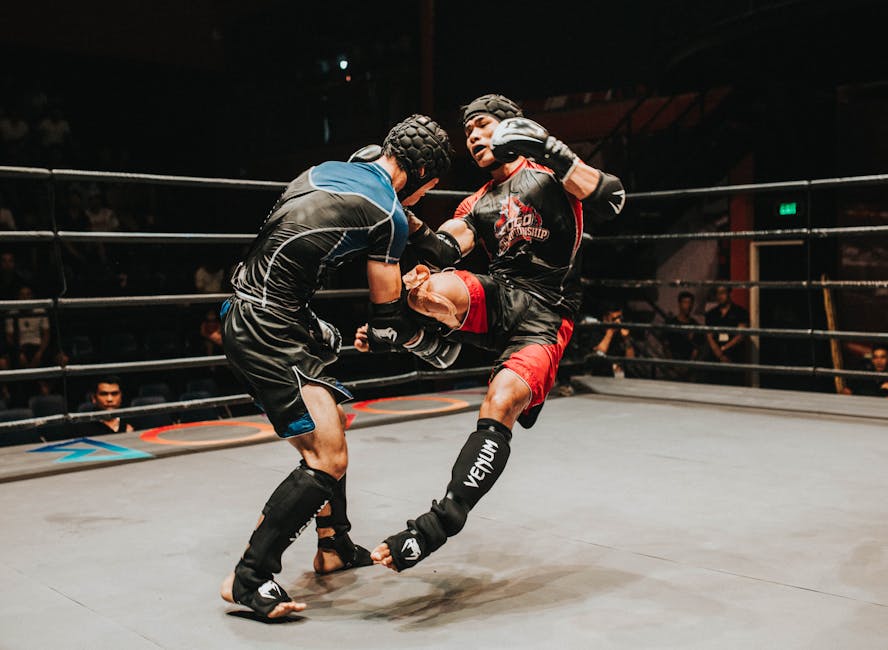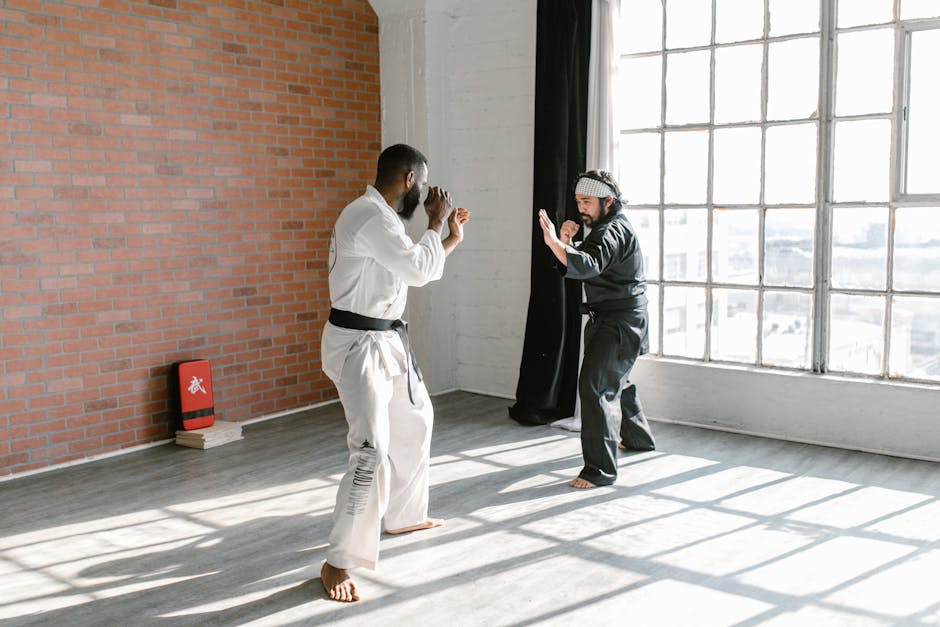
Travel does not have to mean losing momentum in your training. Dubai offers plenty of ways for boxers and combat-sports enthusiasts to stay active while still enjoying the city. The key is to keep sessions efficient, manage recovery, and avoid turning every day of the trip into another hard training camp.
Transportation can also affect how much energy you have left for training. Dubai is spread across a large area, so athletes who want to move comfortably between hotels, gyms, beaches, restaurants, and other parts of the city may consider luxury car hire dubai as a flexible way to organize their schedule without spending unnecessary time moving between different forms of transport.
Keep Training Short and Focused
When you are traveling, maintaining consistency is usually more important than trying to complete your full training program.
A compact session can still be useful.
For example, you might combine:
- 10 minutes of mobility;
- several rounds of shadowboxing;
- short conditioning intervals;
- basic core work;
- stretching or recovery exercises.
A 30-minute session done with purpose can be enough to keep your body sharp.
There is no need to recreate an entire fight camp during a vacation.
Use Shadowboxing as Your Main Tool
Shadowboxing is one of the easiest forms of boxing training to maintain while traveling.
It requires almost no equipment and very little space.
You can use it to work on:
- footwork;
- combinations;
- defensive movement;
- head movement;
- balance;
- speed;
- breathing.
Instead of throwing random punches, structure the workout into rounds.
For example, dedicate one round to movement, another to combinations, and another to defense and counters.
This makes the session more focused and closer to real boxing practice.
Don’t Neglect Footwork
Good boxing starts with movement.
Travel often means spending more time sitting in cars, planes, restaurants, or hotel rooms, which can make the hips and ankles feel tight.
A short mobility routine can help.
Focus on:
- ankle movement;
- hip mobility;
- calf flexibility;
- lateral movement;
- light bouncing and stance transitions.
Then spend a few rounds moving forward, backward, and laterally while maintaining your stance.
Good footwork practice does not require a heavy bag.
Train Around the Heat
Dubai’s climate can make outdoor training more demanding than expected.
Running or conditioning outdoors during the hottest part of the day may quickly become uncomfortable.
If you want to do roadwork, choose cooler hours such as early morning or later in the evening.
Indoor gyms can be a better option during periods of high heat.
Hydration also becomes especially important.
Drink regularly throughout the day rather than trying to catch up immediately before training.
Maintain Conditioning Without Destroying Your Legs
A boxer needs both endurance and explosive power, but travel is not necessarily the time for extremely demanding conditioning sessions.
Simple intervals can help maintain fitness.
One option is to work in boxing-style rounds:
- three minutes of activity;
- one minute of recovery;
- repeat for several rounds.
You can rotate exercises such as:
- shadowboxing;
- high knees;
- bodyweight squats;
- push-ups;
- mountain climbers;
- fast footwork.
Keep the intensity controlled enough that you recover reasonably well afterward.
Use Hotel Gyms Strategically
Many travelers automatically try to reproduce their normal strength routine when they see a well-equipped hotel gym.
That is not always necessary.
Focus on movements that support boxing performance.
Useful exercises may include:
- squats;
- lunges;
- rows;
- push-ups or presses;
- pull-ups;
- rotational core work.
Keep the volume moderate.
The goal is to maintain strength and movement quality, not create soreness that affects the rest of your trip.
Bring Minimal Equipment
Boxing training requires surprisingly little equipment if the goal is maintenance.
A useful travel kit might contain:
- hand wraps;
- lightweight training shoes;
- resistance bands;
- jump rope;
- comfortable sports clothing.
Resistance bands are particularly useful because they can support mobility, strength, and punching drills without taking up much luggage space.
A jump rope can also provide a quick conditioning session almost anywhere.
Prioritize Recovery
Training is only one part of staying sharp.
Travel itself creates additional fatigue.
Long flights, unfamiliar beds, walking, sightseeing, and changing schedules can all affect recovery.
If your body feels unusually tired, reduce training volume.
A short technical session may be more useful than forcing yourself through an intense workout.
Sleep is especially important.
Several late nights combined with hard training can quickly reduce energy and coordination.
Eat Enough to Support Activity
A busy travel schedule can make nutrition inconsistent.
Boxers may be accustomed to carefully structured meals during training camp, but there is no need to maintain that level of control on every trip.
Focus on basic balance.
Try to include:
- protein;
- vegetables;
- carbohydrates;
- healthy fats;
- adequate fluids.
Dubai has a huge variety of restaurants, so finding suitable meals is usually straightforward.
Enjoying local or international food is part of the travel experience.
The objective is simply to avoid regularly skipping meals and then trying to train with very low energy.
Stay Loose Between Sessions
Sitting for extended periods can make fighters feel stiff, particularly around the hips, shoulders, and lower back.
Short movement breaks can help.
Take a few minutes to stretch or walk whenever you have been sitting for a long time.
Basic shoulder circles, hip rotations, ankle mobility, and light stretching can make your next training session feel much better.
Don’t Try to Make Weight on Vacation
Unless you are traveling specifically for competition, a holiday is generally not the time for aggressive weight cutting.
Severe calorie restriction and dehydration can affect energy, mood, and recovery.
If you want to maintain your normal weight, focus on reasonable portions, regular movement, and balanced meals.
There is no need to turn every restaurant visit into a calculation.
Explore Other Forms of Training
Travel can also be an opportunity to temporarily step outside your usual routine.
Swimming, running, strength work, mobility sessions, or recreational sports can complement boxing.
Cross-training may also give overused joints and muscles a break from repetitive punching and heavy bag work.
Sometimes returning to boxing after a few days of different movement can make training feel fresher.
Separate Training Days from Exploration Days
One practical approach is to alternate between more active and less demanding days.
For example:
- train properly one morning;
- spend the next day mainly sightseeing;
- complete a short technical session afterward;
- schedule a recovery day later in the trip.
This rhythm helps maintain consistency without allowing training to dominate the entire vacation.
Remember the Purpose of the Trip
Discipline is valuable, but so is knowing when to reduce intensity.
Missing one hard conditioning session will not erase months of training.
For most recreational boxers, maintaining movement, technique, and general fitness is more than enough during a short trip.
Stay active, keep your body loose, and return to your normal program when you get home.
Final Thoughts
Boxers can stay surprisingly sharp while traveling without needing a full gym or an aggressive training schedule.
Shadowboxing, mobility work, short conditioning sessions, basic strength exercises, good hydration, and adequate recovery can maintain fitness throughout a trip.
The most important thing is balance.
Train enough to keep your rhythm, but leave enough energy to experience Dubai as a traveler rather than treating the entire visit like another training camp.
 Ask Elviana Zelthorne how they got into boxing news and updates and you'll probably get a longer answer than you expected. The short version: Elviana started doing it, got genuinely hooked, and at some point realized they had accumulated enough hard-won knowledge that it would be a waste not to share it. So they started writing.
What makes Elviana worth reading is that they skips the obvious stuff. Nobody needs another surface-level take on Boxing News and Updates, Expert Commentary, Fighter Profiles and Statistics. What readers actually want is the nuance — the part that only becomes clear after you've made a few mistakes and figured out why. That's the territory Elviana operates in. The writing is direct, occasionally blunt, and always built around what's actually true rather than what sounds good in an article. They has little patience for filler, which means they's pieces tend to be denser with real information than the average post on the same subject.
Elviana doesn't write to impress anyone. They writes because they has things to say that they genuinely thinks people should hear. That motivation — basic as it sounds — produces something noticeably different from content written for clicks or word count. Readers pick up on it. The comments on Elviana's work tend to reflect that.